

Is your bathroom sink draining slow or not draining at all? This is a common problem in many US homes. Water stands in the bowl. It smells bad. It makes daily life hard.
A clog sink in bathroom is often caused by hair, soap, and dirt. The good news? You can fix most clogs at home with simple tools.
Quick Answer
How do I fix a clogged bathroom sink fast?
- Remove the drain stopper
- Pull out hair and dirt
- Pour hot water down the drain
- Use baking soda and vinegar
- Try a plunger
- Clean the P-trap if needed
If water still will not drain, you may need a plumber or a new drain part.
Why Is My Bathroom Sink Clogged?
A slow draining sink does not happen for no reason. Below are the most common causes.
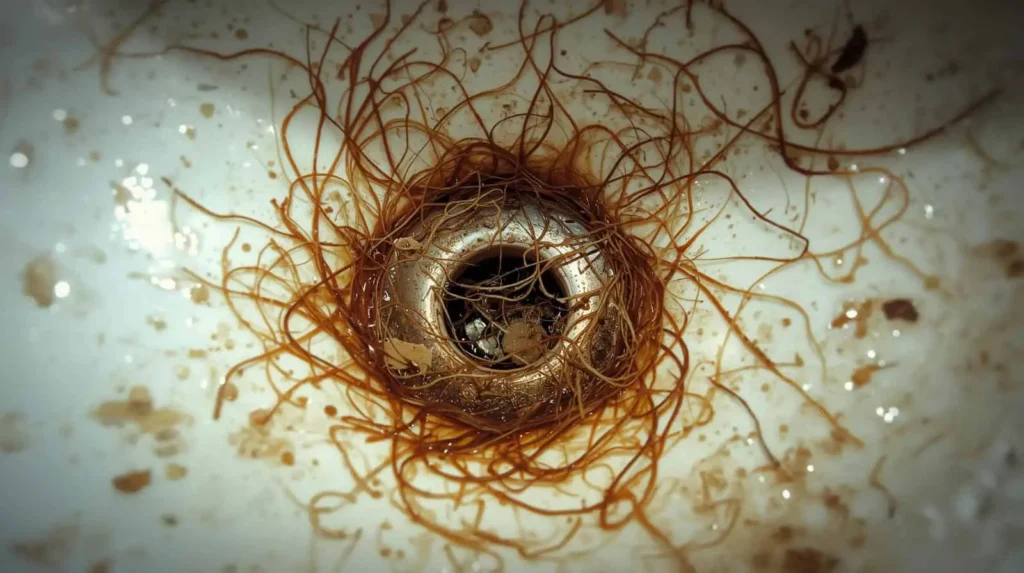
1. Hair Buildup
- Hair is the top cause of a bathroom sink clog.
- It wraps around the stopper and traps soap and dirt.
- Even short hair can build up over time.
Pro-Tip: Check under the stopper once a month. It takes 2 minutes and saves big trouble later.
2. Soap Scum and Toothpaste
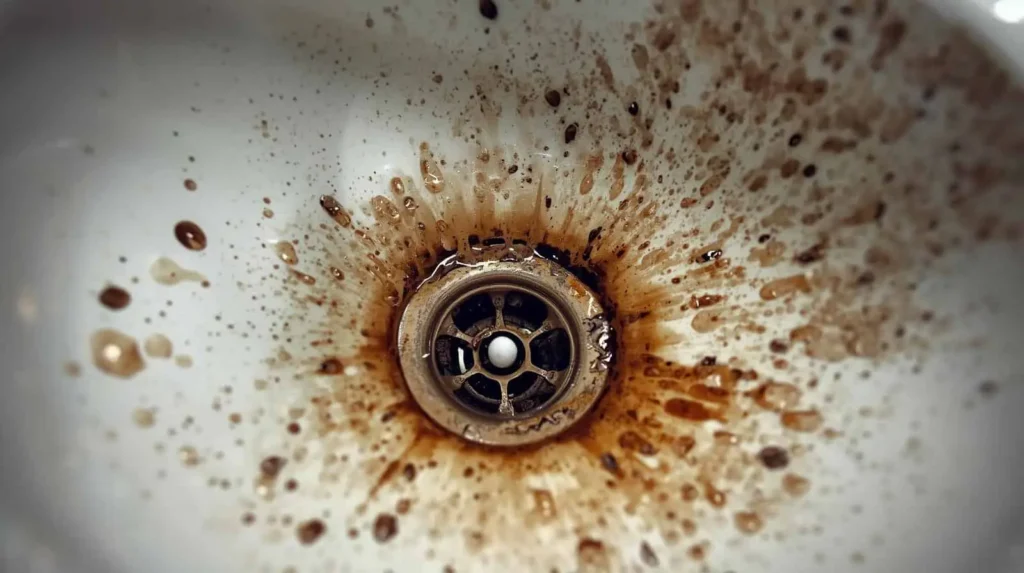
- Soap does not fully wash away.
- It sticks to pipe walls and gets thick over time.
- Toothpaste also hardens inside pipes.
- This leads to a slow sink drain.
Pro-Tip: Run hot water for 30 seconds after brushing. It helps wash paste down.
3. Dirt and Small Items
- Rings, dirt, or small caps can fall in.
- Kids often drop things by mistake.
- These block water flow fast.
Pro-Tip: Use a drain cover. It costs little but stops big clogs.

Step-by-Step: How to Fix a Clog Sink in Bathroom
You do not need fancy tools. Most fixes are simple.
Step 1: Remove the Stopper
- Pull it up and twist
- Or unscrew the rod under the sink
- Clean off all hair and gunk.
- Wash it with soap and warm water.
Pro-Tip: Take a photo before you remove parts. It helps when you put it back.
Step 2: Use Hot Water
- Boil water.
- Slowly pour it into the drain.
- Wait 5 minutes.
- Hot water helps melt soap and paste.
- Do not use boiling water if you have PVC pipes that are old.
Pro-Tip: Pour in two rounds for better results.
Step 3: Baking Soda and Vinegar
This is a safe drain cleaner.
- Pour ½ cup baking soda
- Add 1 cup white vinegar
- Let it sit for 15 minutes
- Flush with hot water
- This helps break soft clogs.
- It is safer than strong chemical drain cleaner.
Pro-Tip: Cover the drain with a cloth while it fizzes.
Step 4: Use a Plunger
Use a small sink plunger.
- Fill sink with a little water
- Place plunger over drain
- Pump fast 10 times
- This helps move deep block.
Pro-Tip: Block the overflow hole with a wet rag for strong suction.
Step 5: Clean the P-Trap
The P-trap is the U-shape pipe under the sink.
- Put a bucket under it
- Unscrew both ends
- Remove and clean it
- You may find hair and dirt inside.
- Put it back tight after cleaning.
Pro-Tip: Wear gloves. The smell can be strong.
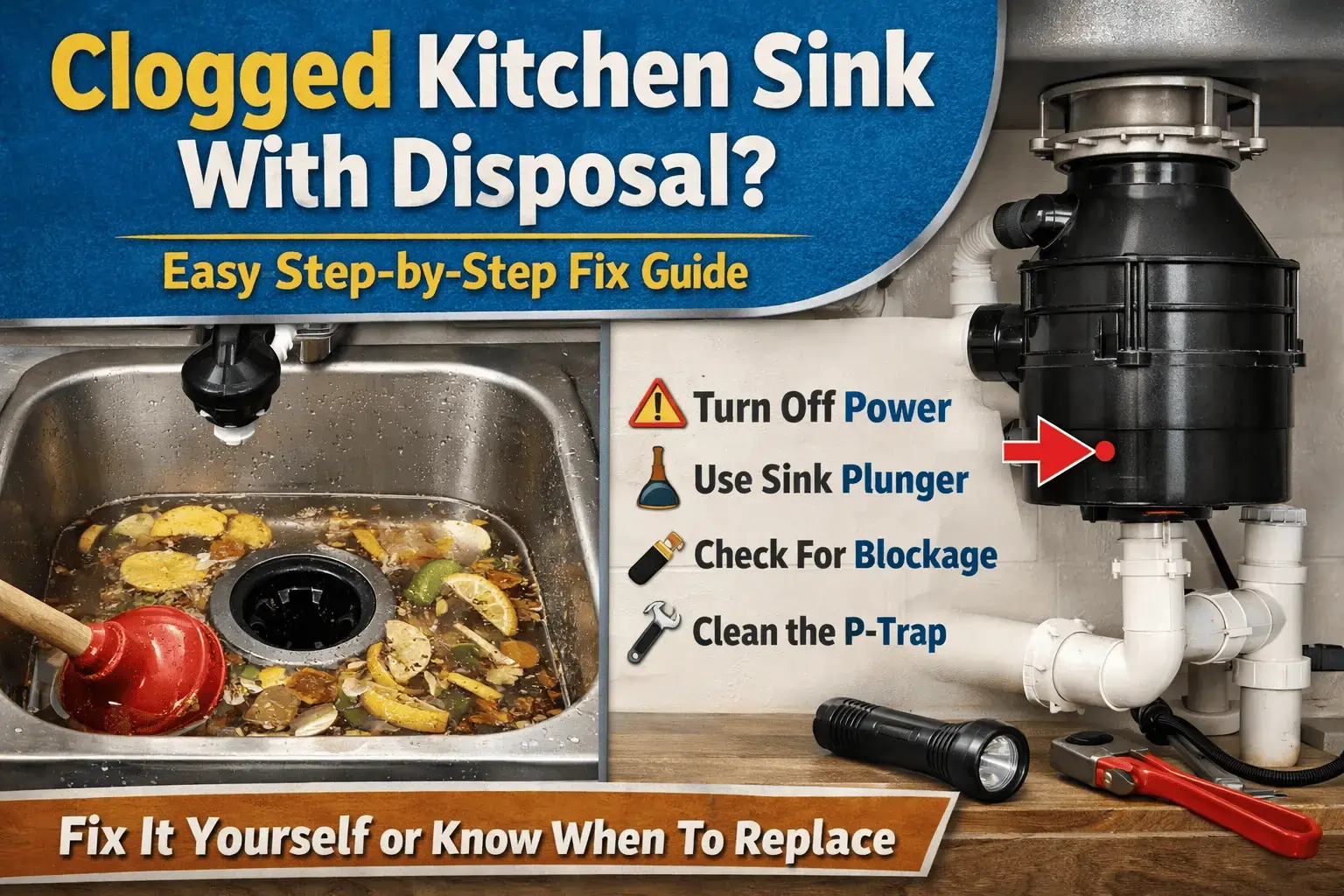
How to Prevent Future Clogs
Prevention is simple.
- Use a drain screen
- Flush hot water weekly
- Avoid dumping dirt or hair
- Clean stopper monthly
These small steps stop most bathroom drain problems.
- A clog sink in bathroom is annoying.
- But it is not hard to fix.
- Start with simple steps.
- Most homeowners can solve it in under 30 minutes.
If the clog keeps coming back, it may be time for new drain parts.