

I saw a homeowner rubbing his lower back while staring at a messy kitchen. He laughed and said, “Robert, deep cleaning hurts more than my gym workouts.”
I get it. I remember when I cleaned my first rental property after a tenant moved out. Greasy cabinets, dusty vents, sticky floors—the whole deal. By the end of the day, my arms felt like noodles.
So the big question is simple: does deep cleaning hurt your body?
Short answer? Sometimes it can. But only if you do it the wrong way. Let me show you what I’ve learned after 15 years of home repair and cleaning jobs.
Why Deep Cleaning Can Hurt Your Body
Deep cleaning is different from regular cleaning. You’re scrubbing, bending, reaching, and lifting.
That combination can cause:
- Back strain
- Sore shoulders
- Wrist pain
- Knee pressure
Have you ever spent 30 minutes scrubbing a bathroom floor? Then tried standing up? Yeah… that stiff feeling is real.

The catch is this: most pain comes from poor technique, not the cleaning itself.
Pro Tip: I always start with stretching for 2 minutes before big cleaning jobs. Sounds silly, but it saves my back every time.

Step-by-Step Guide to Deep Clean Without Pain
Here is the simple method I use when tackling a deep house cleaning project.
Step 1: Break the Job Into Small Areas
Don’t clean the whole house at once.
Pick one zone:
- Kitchen counters
- Bathroom sink
- Living room floor
Finish it. Then move on.
Trying to clean everything at once is the fastest way to burn out.
Pro Tip: I use a 30-minute timer. Clean for 30 minutes, then take a 5-minute break.
Step 2: Use the Right Cleaning Tools
Bad tools make cleaning harder than it should be.
For example:
- Long-handle scrub brush (no bending)
- Microfiber cloths (less scrubbing)
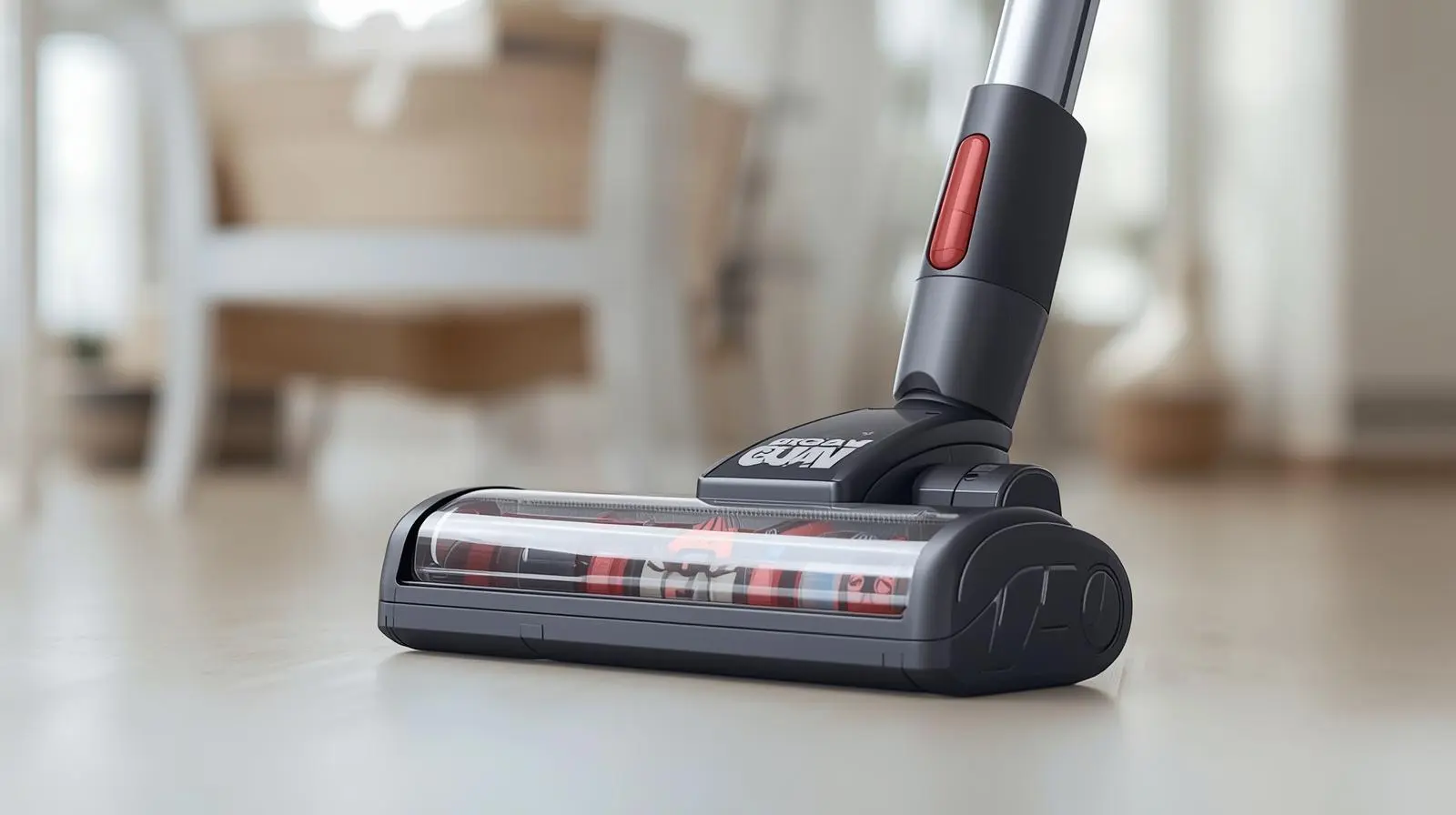
- Lightweight vacuum

I once watched a homeowner scrub tiles with a tiny sponge for an hour. My arms hurt just watching him.
Pro Tip: A spin mop can save your back. No kneeling. No heavy wringing.

Step 3: Work From Top to Bottom
This is a trick every cleaning professional knows.
Start with:
- Ceiling fans
- Shelves
- Counters
- Floors last
Why? Dust falls down. If you clean the floor first, you’ll clean it again later.
Pro Tip: Use a duster with an extendable pole for vents and fans. Your shoulders will thank you.
Step 4: Use Gentle Cleaning Products
Strong chemicals can irritate skin, lungs, and eyes. You don’t need industrial cleaners for most homes.
Good options include:
- Vinegar solution
- Baking soda paste
- Mild kitchen cleaner
I’ve seen homeowners cough for hours after using harsh degreasers in a small kitchen.
Pro Tip: Open a window while deep cleaning. Fresh air makes a huge difference.
Safety First: Protect Your Body
Deep cleaning should improve your home—not hurt you.
Here are the rules I follow on every job.
- Wear rubber gloves to protect skin
- Use knee pads for floor work
- Lift with your legs, not your back
- Take breaks every 30 minutes
Sound simple? It works.
One time I ignored my own advice and moved a heavy washing machine alone. My back reminded me for a week.

Pro Tip: Keep a small step stool nearby. Reaching too high is a common cause of shoulder pain.
When Deep Cleaning Should NOT Hurt
If done right, deep cleaning should feel like light exercise, not punishment.
You might notice:
- Mild muscle soreness
- Slight tiredness
- A feeling like you did a workout
That’s normal.
But sharp pain, numbness, or serious strain? That means something is wrong. Stop and rest.
Quick Summary
So, does deep cleaning hurt? Sometimes. But it doesn’t have to.
Here’s the simple rule I follow:
- Clean one area at a time
- Use proper tools
- Work top to bottom
- Choose safe cleaning products
- Take regular breaks
Do that, and deep cleaning becomes manageable—even satisfying. And honestly? There’s nothing better than standing in a freshly cleaned kitchen at the end of the day.
Trust me. After 15 years fixing homes, that moment never gets old.