
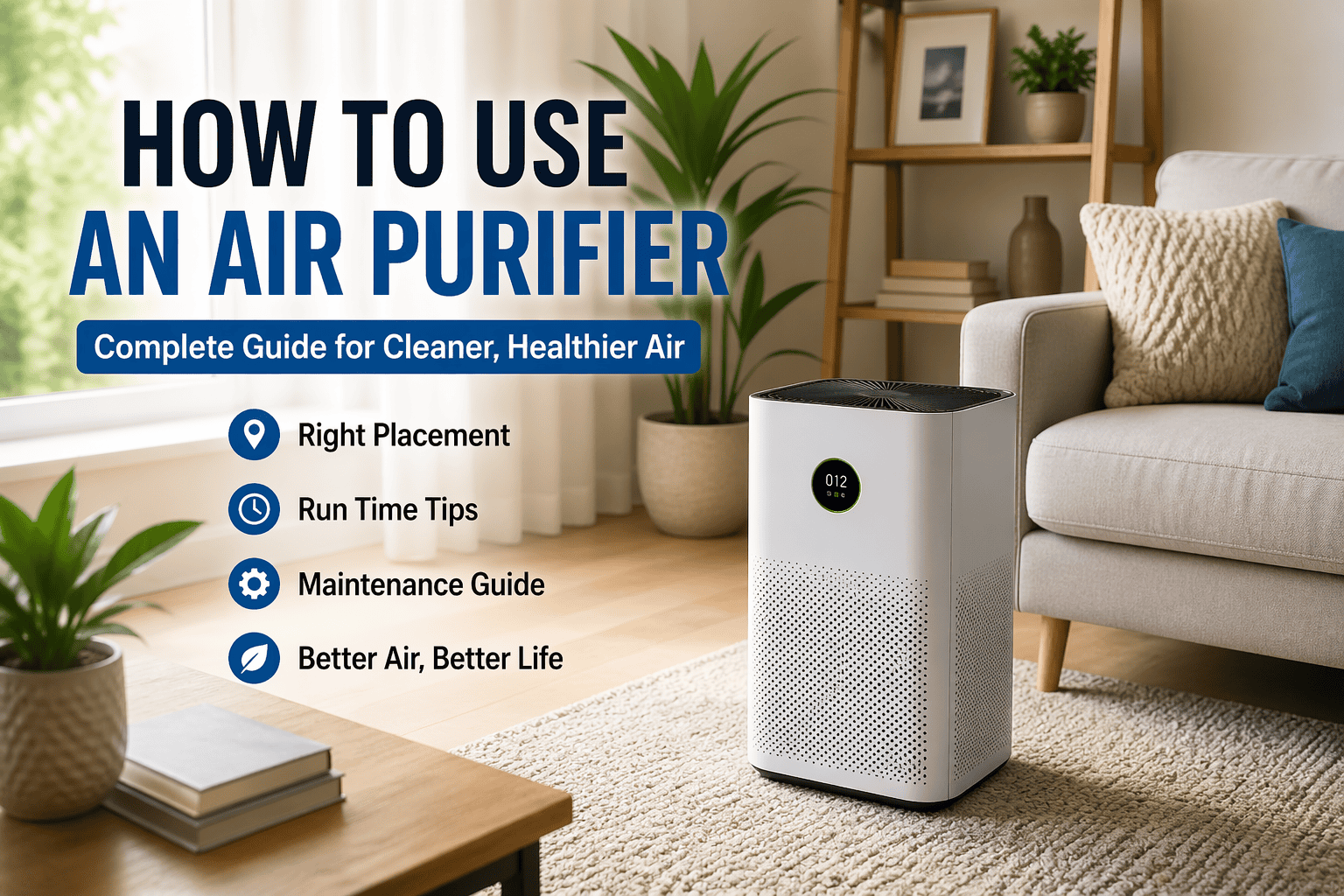
I helped a homeowner who said, “My air purifier runs all day, but my house still feels dusty.” I walked into the living room and saw the problem right away. The purifier was stuck in a tight corner behind a couch. Air could barely move around it.
After moving it just a few feet and adjusting the fan speed, the air felt cleaner within an hour.
That moment reminded me how many people buy a purifier but never learn how to use an air purifier the right way. The truth is simple: placement, run time, and care matter just as much as the machine itself.
In this guide, I’ll show you how to use an air purifier, where to place it, how long to run it, and how to keep it working well.
Quick Answer: How to Use an Air Purifier
If you want the short answer, here it is.
How to use an air purifier properly:
- Place it in the room where you spend the most time
- Keep it at least 2–3 feet from walls or furniture
- Run it most of the day for best air cleaning
- Close doors and windows when possible
- Clean or replace filters on schedule
Follow these steps and your purifier will remove dust, smoke, pollen, and pet hair much better.
How Air Purifiers Work
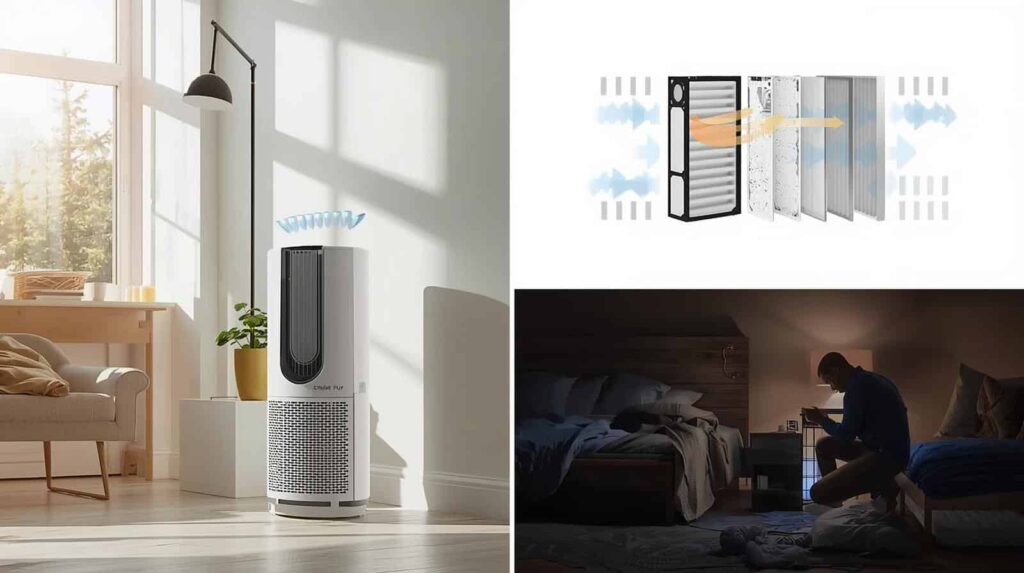
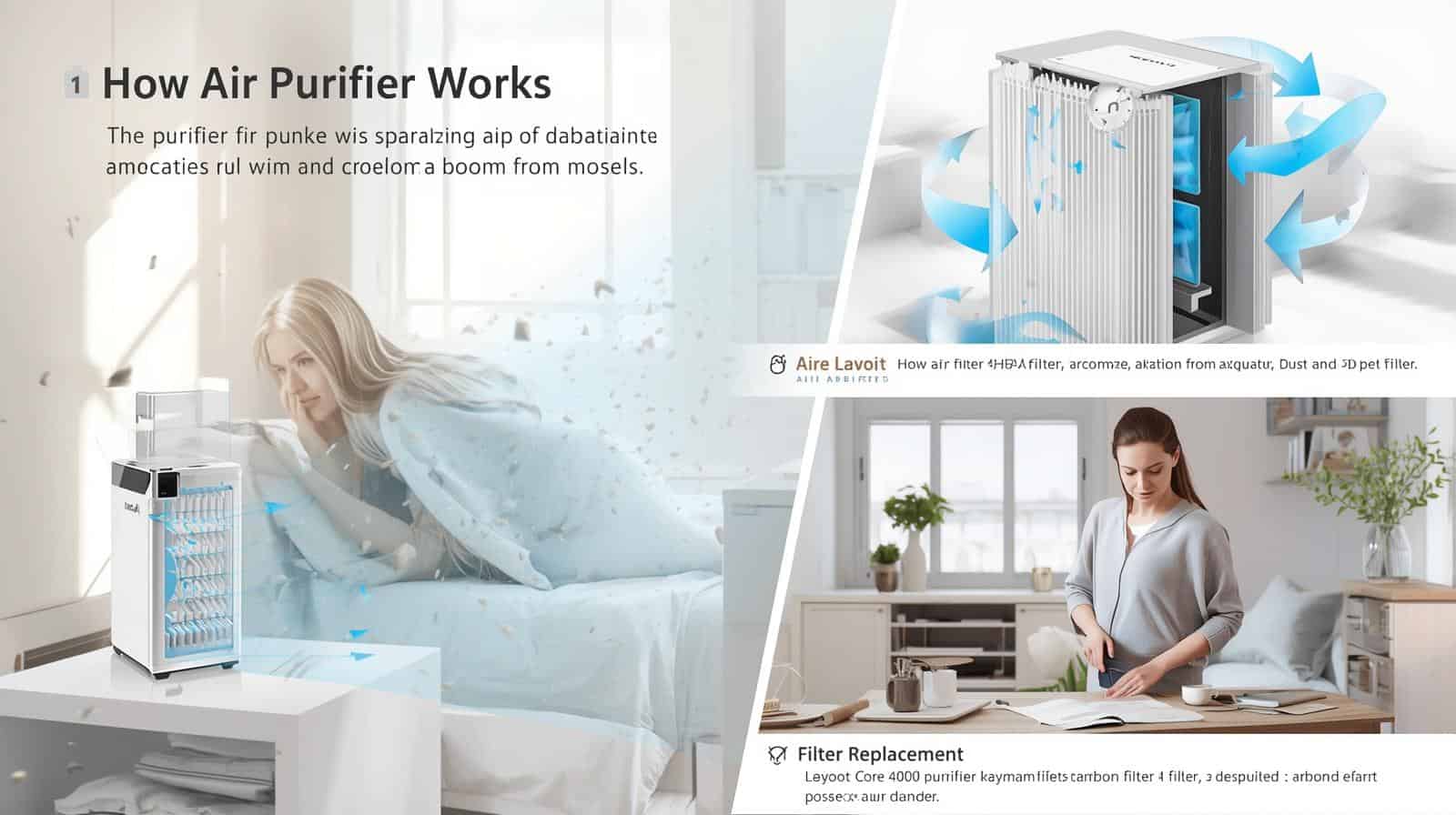
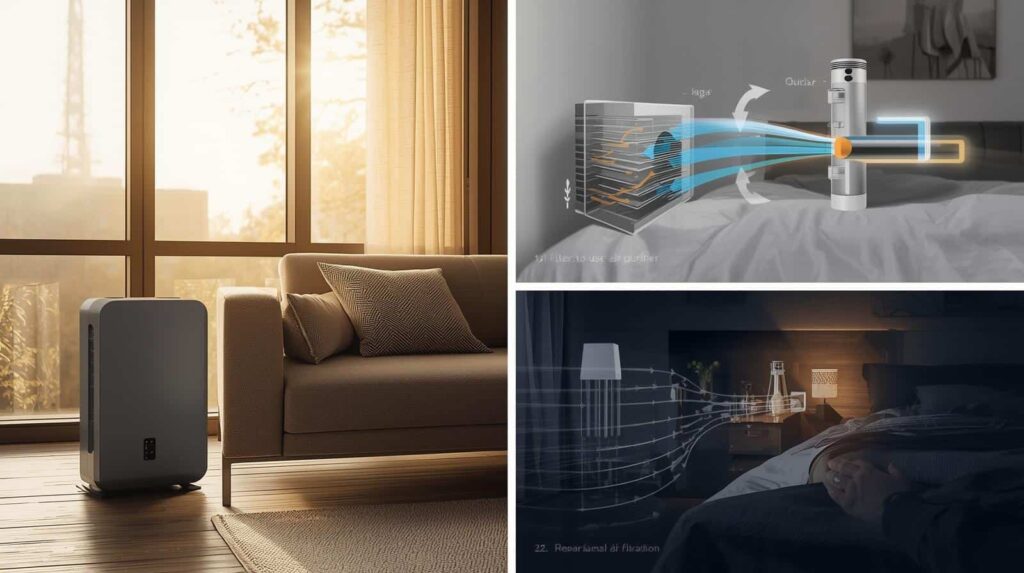
An air purifier cleans the air by pulling it through a filter system.
A fan inside the unit pulls room air in. The air then passes through one or more filters that trap small particles. Clean air blows back into the room.
Most units use a HEPA filter. These filters catch tiny particles like:
- Dust
- Pollen
- Pet dander
- Smoke
- Mold bits
Many machines also include a carbon filter. This helps remove smells like cooking odor or pet smells.
Some modern purifiers use washable plates or electrostatic tech instead of throw-away filters.
The goal is the same: reduce dirty air in your home.
Pro Tip:
Always check the room size rating on the purifier box. A unit built for a small room will struggle in a large living room.
Benefits of Using an Air Purifier
Clean air is not just about comfort. It can also help your health.
Here are some real benefits I see in homes where people use purifiers the right way.
Less Dust in the Home
Dust floats in the air before it lands on furniture. A purifier traps much of it before it settles.
Allergy Relief
Many of my clients buy purifiers for allergy problems. Pollen and pet dander get caught in the filter.
Fewer Pet Smells
Carbon filters help remove odors from dogs, cats, and litter boxes.
Cleaner Sleep Air
Running a purifier in the bedroom often helps people sleep better because the air feels fresher.
Pro Tip:
Bedrooms usually show the biggest air quality improvement because doors stay closed most of the night.
Where to Place an Air Purifier
Placement is one of the most common mistakes I see.
If airflow is blocked, the purifier cannot pull enough air through the filter.
Here is the best placement method.
Good Places for an Air Purifier
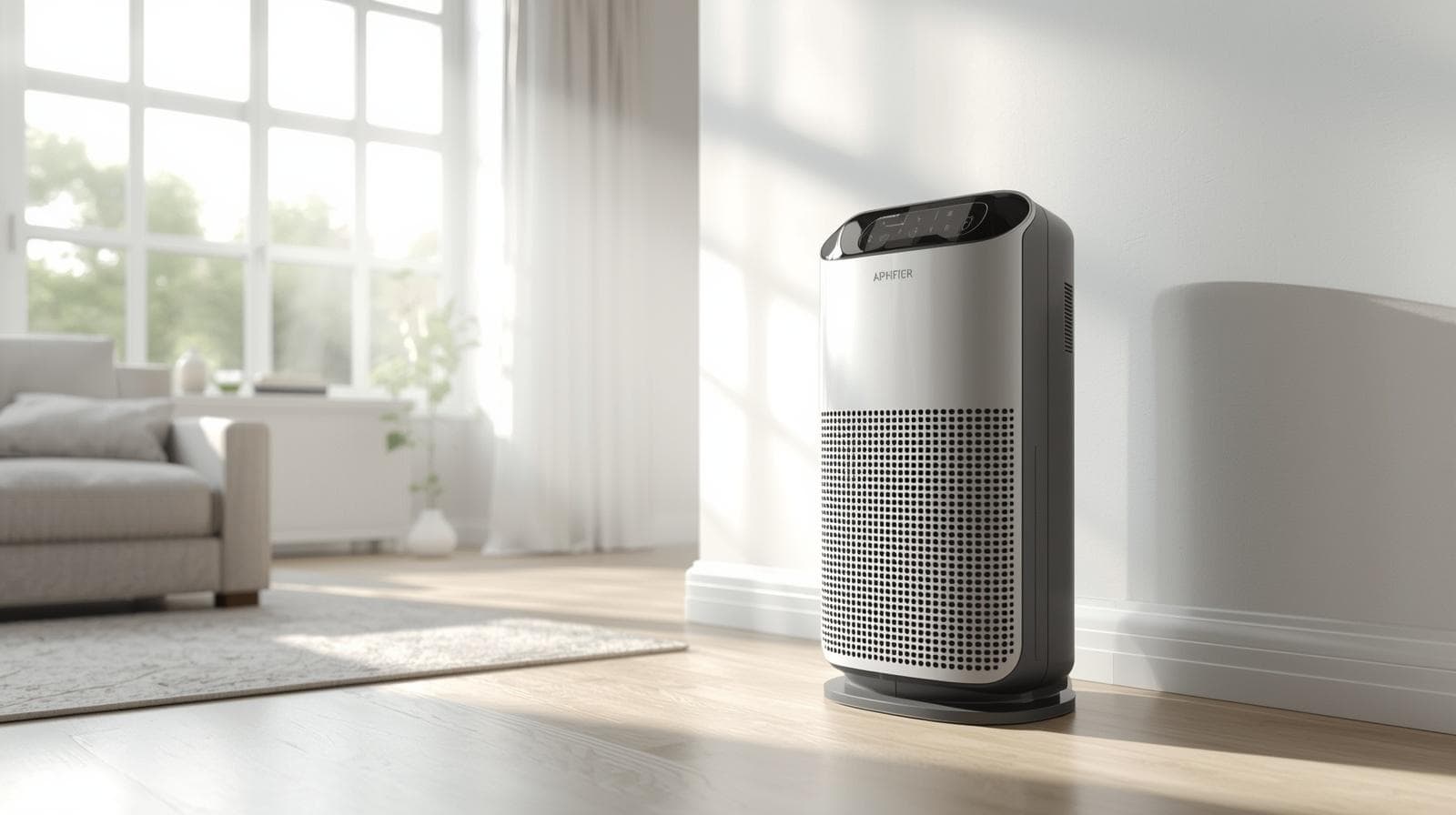
Place the purifier:
- Near the center of the room
- 2–3 feet away from walls
- Close to dust or odor sources
- In rooms you use most
Bedrooms and living rooms are the best spots.
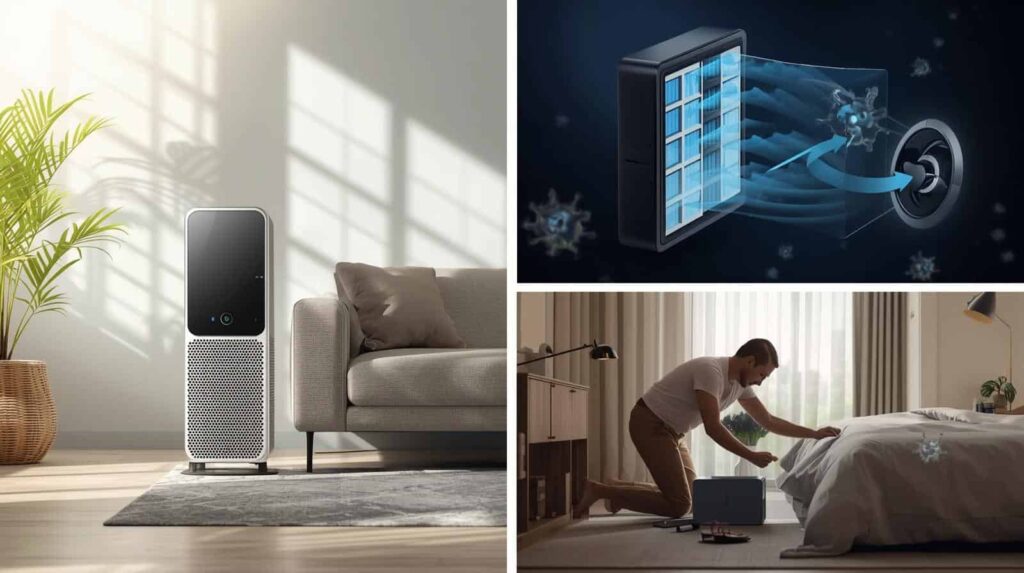
Bedroom Placement
In bedrooms, I usually place the purifier 4–6 feet from the bed. This allows quiet airflow toward the sleeping area.
Pro Tip:
Raise the purifier slightly off the floor if possible. A small stand or table can help air move better.
Where NOT to Place an Air Purifier
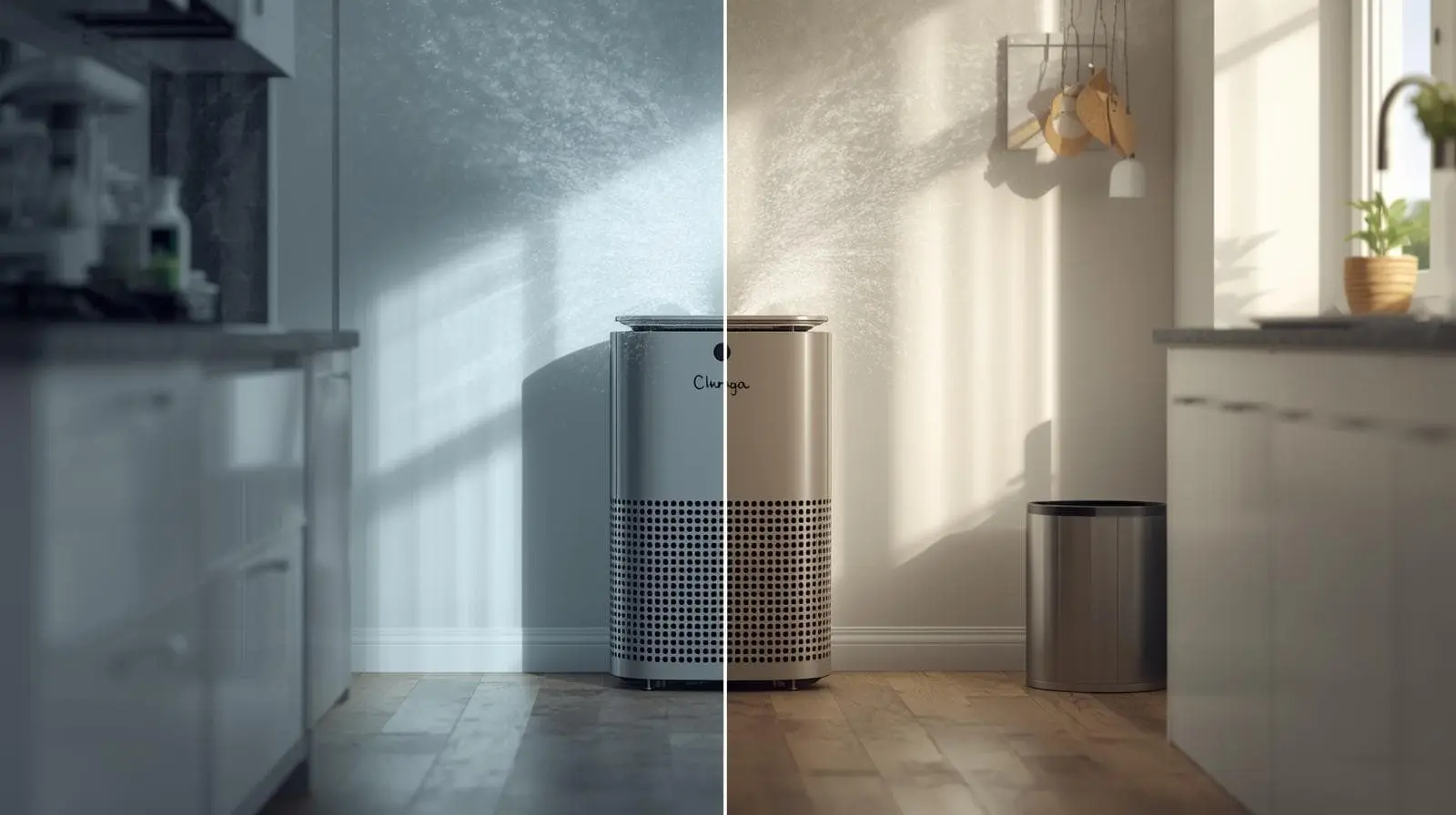
I often walk into homes and see purifiers in the worst spots.
Avoid these locations.
Corners
Corners block airflow. Air can’t circulate well.
Behind Furniture
Couches and cabinets trap the airflow.
Near Curtains
Curtains can get pulled into the air intake.
In Hallways
Hallways spread air too thin for effective cleaning.
Next to Heat Vents
Heating vents push dirty air into the purifier too fast.
Pro Tip:
If you hear the fan working hard but the air still feels dusty, check the location first.
How Long Should You Run an Air Purifier
Many homeowners ask me this question.
The honest answer: most purifiers should run most of the day.
Why?
New particles enter your home constantly.
Sources include:
- Open doors
- Pets
- Cooking
- Outdoor air
- Shoes tracking dust inside
Because of this, many people run their purifier 24 hours a day.
The good news is modern purifiers use very little electricity, especially on low speed.
When to Use Higher Speed
Increase fan speed when:
- Cooking
- Cleaning
- Vacuuming
- During allergy season
Pro Tip:
Run the purifier on low speed at night. It keeps air clean and acts as gentle white noise.
Best Rooms for Air Purifiers
You don’t need one in every room right away.
Start with the areas where clean air matters most.
Bedroom
You breathe bedroom air for 7–8 hours every night.
Living Room
This is where families gather, eat, and relax.
Home Office
If you work from home, clean air can help focus and comfort.
Nursery
Parents often place purifiers in baby rooms to help keep dust low.
Pro Tip:
If you only buy one purifier, start with the bedroom.
Common Air Purifier Mistakes
Over the years, I’ve seen the same mistakes again and again.
Avoid these and your purifier will work much better.
Turning It On Only Sometimes
Running it once a week won’t help much.
Not Replacing Filters
A full filter cannot catch new particles.
Using the Wrong Room Size
A small purifier cannot clean a large room well.
Blocking Airflow
Furniture or walls reduce performance.
Ignoring Maintenance
Dust can build up around the intake vents.
Pro Tip:
Mark filter change dates on your phone calendar so you never forget.
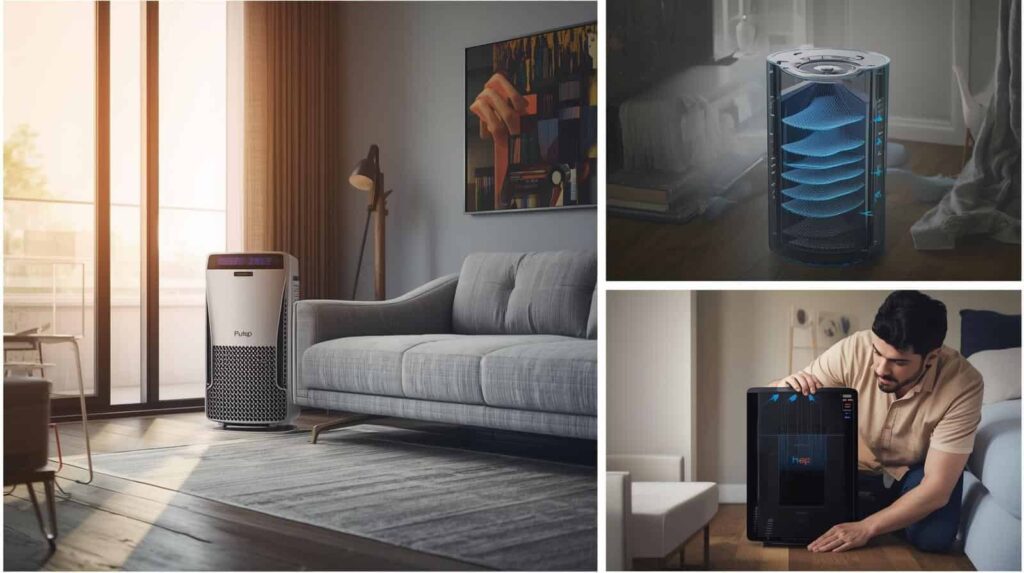
Air Purifier Maintenance Tips
Maintenance keeps the purifier working like new.
Here are the basic steps.
Replace Filters on Schedule
Most HEPA filters last 6–12 months.
Clean the Outer Vents
Dust can block air intake holes.
Check Carbon Filters
Carbon filters often need replacement every 3–6 months.
Vacuum the Intake Area
A quick vacuum prevents dust buildup.
Pro Tip:
Before installing a new filter, wipe the inside with a dry cloth.
How Much Electricity Air Purifiers Use
Many homeowners worry about energy cost.
The truth is most air purifiers use very little power.
Small units use about:
30–60 watts
That is similar to a small light bulb.
Running one all day usually costs only a few dollars per month.
Larger units may use 80–120 watts, but even those remain energy efficient.
Pro Tip:
Use auto mode if your purifier has it. The fan will adjust based on air quality.
Do Air Purifiers Work With Windows Open?
Yes, but performance drops.
Open windows bring in fresh air. They also bring in dust, pollen, and outdoor smoke.
If the purifier runs while the window is open, it must work harder.
For best results:
- Close windows when outdoor air is dirty
- Open windows briefly for fresh air
- Run the purifier afterward
Pro Tip:
During pollen season, keep windows closed and rely more on the purifier.
When Should You Replace Your Air Purifier?
Air purifiers can last 5 to 10 years if maintained well.
Still, there are times when buying a new one makes sense.
Signs It May Be Time to Replace
- The fan motor becomes loud
- Filters are hard to find
- Airflow feels weak
- The unit stops removing odors
- Energy use increases
Newer purifiers often include:
- smart sensors
- quieter fans
- better HEPA filters
- air quality monitors
These upgrades can make a big difference.
Pro Tip:
If your purifier is more than 8 years old, a newer model will likely clean air faster.
Safety First Tip
Air purifiers are safe for most homes, but a few simple rules help.
Always:
- Keep air vents clear
- Avoid water near the unit
- Use the correct filter type
- Turn off the unit before cleaning
Never block the air intake.
Airflow is what allows the purifier to work.
Quick Summary
Here is the simple version.
How to use an air purifier:
- Place it in the room you use most
- Keep space around the machine
- Run it most of the day
- Replace filters regularly
- Keep vents clean
Small changes like better placement and longer run time can improve indoor air fast.
FAQ
Yes. Running it most of the day helps keep air clean because dust and pollen enter your home constantly.
Yes. Many people run one in the bedroom all night. Low fan speed keeps air clean and quiet.
Yes. HEPA filters trap dust before it settles on furniture and floors.
Yes. Closed doors help the purifier clean the air faster because new particles cannot enter the room as easily.
Most purifiers clean the air in 30 to 60 minutes, depending on the room size and fan speed.