
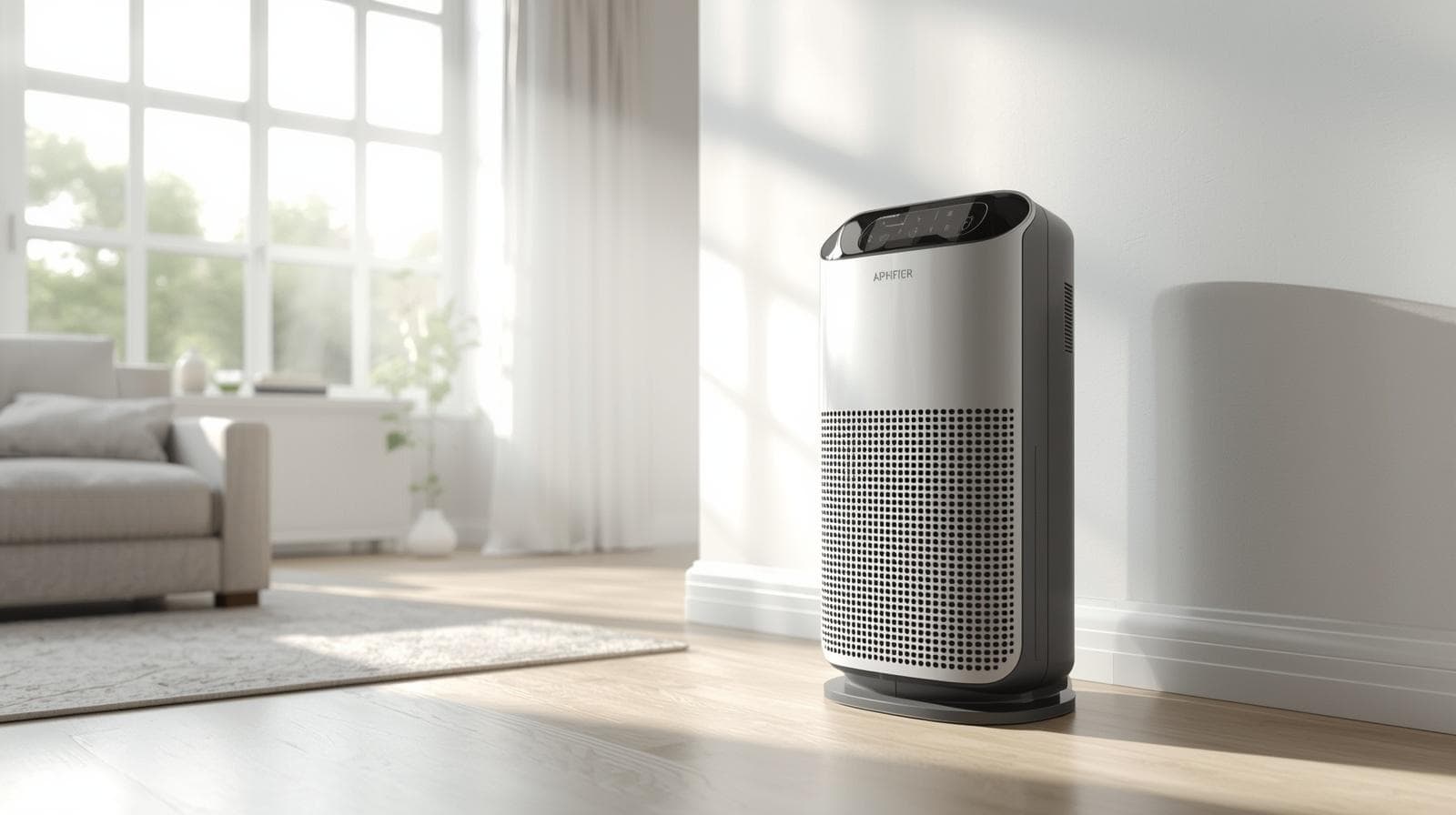
Yesterday, I saw a small white air purifier sitting on a kitchen counter while I was helping a homeowner fix a noisy range hood. The owner pointed at it and asked me a question I hear a lot:
“Robert, what do air purifiers do? Do they actually work?”
That question pops up more than you might think. Many homes look clean, but the air inside can still hold dust, smoke, pet hair, and tiny bits you can’t even see.
I’ve worked inside homes for over 15 years. Trust me—indoor air can get dirty fast. Cooking grease, pet dander, pollen, and even mold spores float around your house every day.
So today I’ll break it down in plain English.
You’ll learn:
- What air purifiers do
- How they work
- What they remove from your air
- When you should buy one
- And how to choose the right one
Let’s start simple.
What Do Air Purifiers Do?
An air purifier is a machine that cleans the air in your home.
It pulls air in, traps dirty particles inside a filter, and sends clean air back into the room.
Think of it like a vacuum for your air.
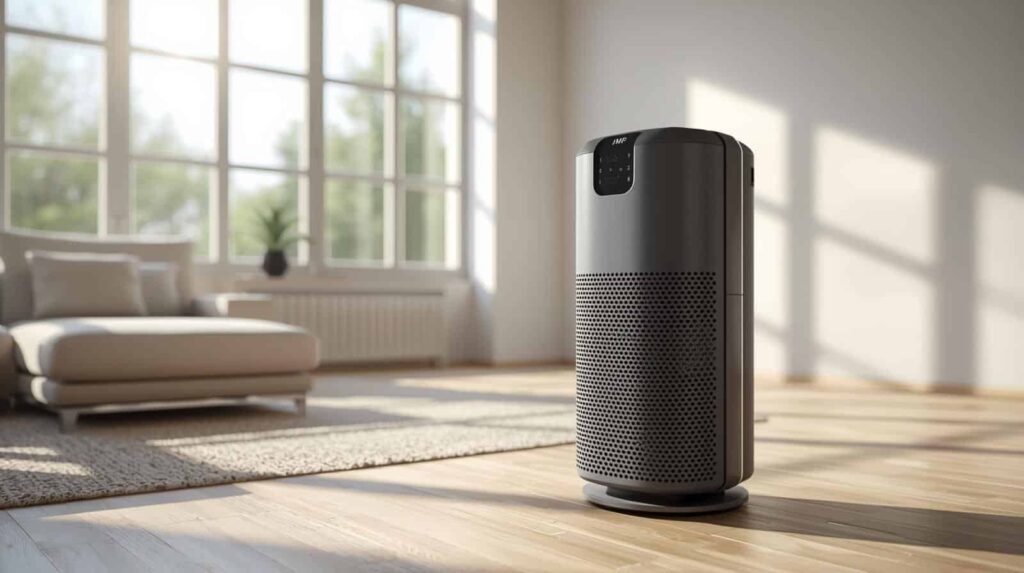
Instead of sucking dirt from the floor, it removes things floating in the air like:
- Dust
- Pollen
- Smoke
- Pet dander
- Mold spores
- Some germs
Many people buy air purifiers to help with:
- Allergies
- Bad smells
- Pet hair
- Cooking smoke
- Indoor dust
If your house feels dusty all the time, an air purifier can help a lot.
Pro Tip:
Place your air purifier near the center of a room, not against a wall. Air needs space to move around the machine.


Why Indoor Air Can Be Dirtier Than Outside Air
Most people assume outdoor air is worse than indoor air.
That isn’t always true.
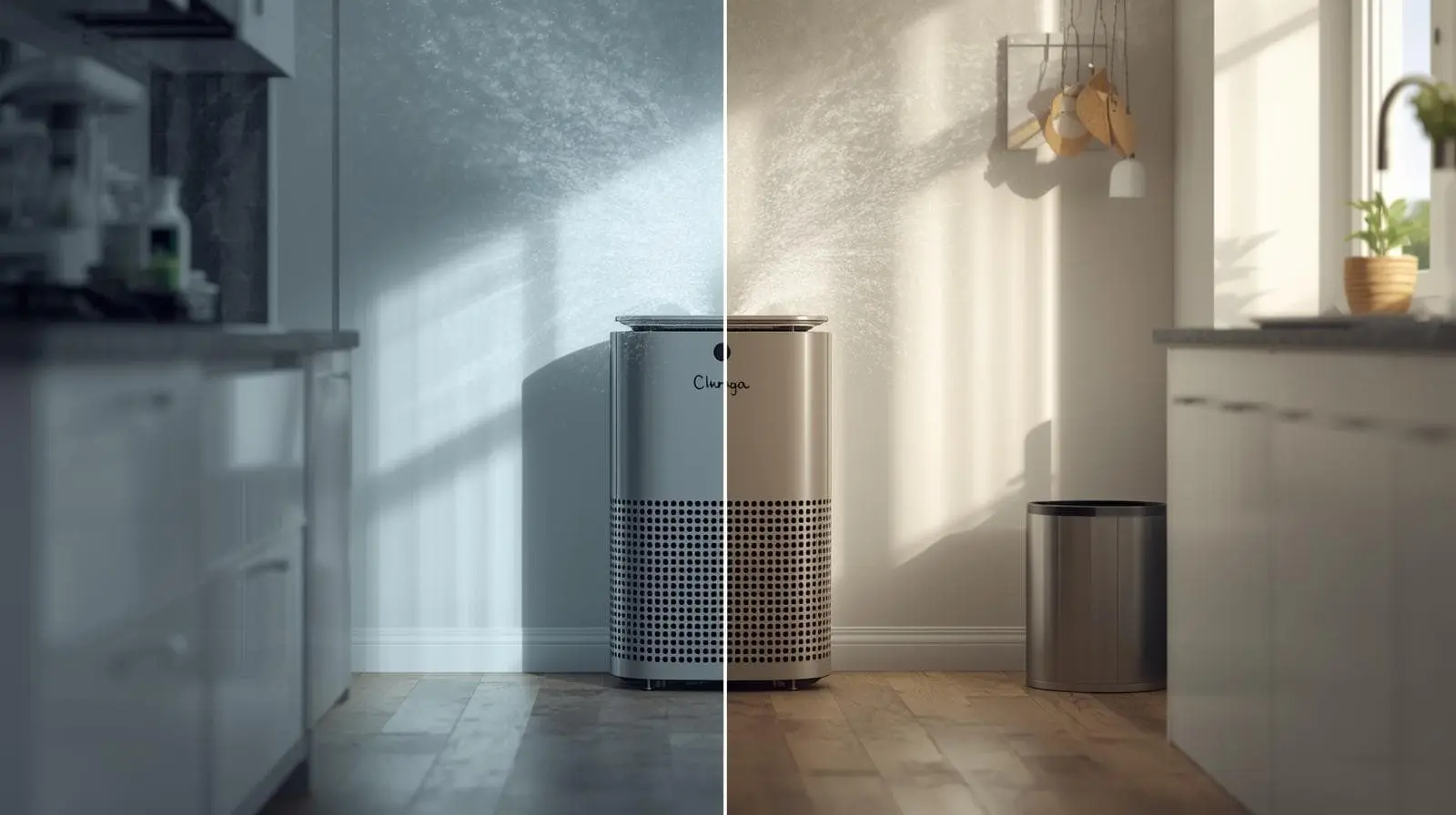
When windows stay closed, dirty air gets trapped inside your house.
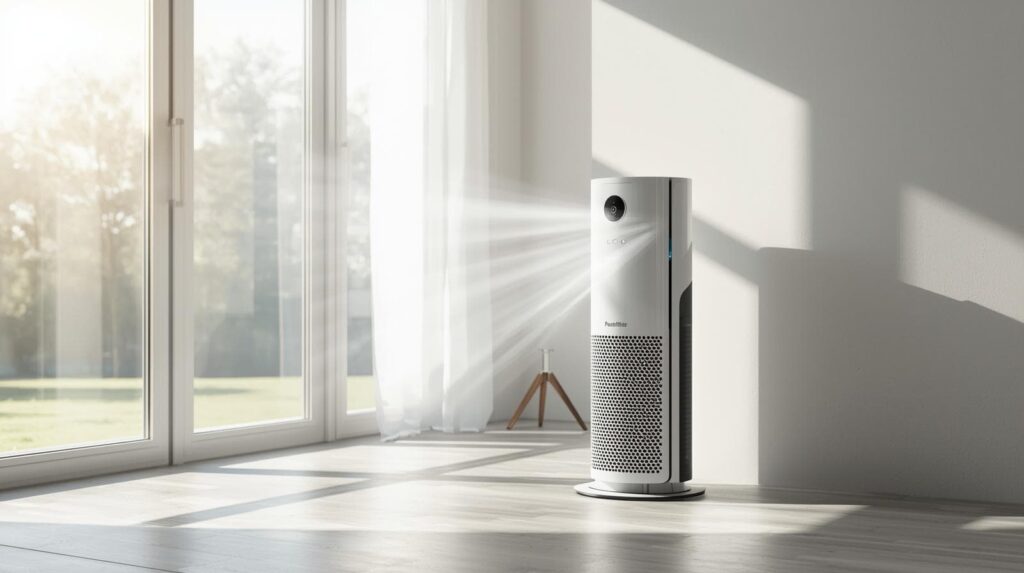
Every day your home collects particles from:
- Cooking grease
- Carpet dust
- Furniture fabric
- Pets
- Cleaning sprays
- Outdoor pollen
These tiny particles float around and settle everywhere.
Have you ever wiped a shelf and saw dust again two days later?
That’s airborne dust falling back down.
An air purifier removes those floating particles before they settle.
Pro Tip:
Run your air purifier overnight in the bedroom. That’s when your body spends the most time breathing indoor air.
How Air Purifiers Work (Simple Technical Explanation)
- Air purifiers follow a very simple process.
- Most models use three main steps.
Step 1: Air Intake
- A small fan pulls air into the machine.
- That air may contain dust, pollen, smoke, and other tiny particles.
Step 2: Filtration
The air passes through filters that trap pollutants.
Common filter types include:
- Pre-filter
- HEPA filter
- Carbon filter
Step 3: Clean Air Release
- After filtering, the purifier pushes clean air back into the room.
- The process repeats all day.
- This constant cycle slowly removes airborne pollution from your space.
Pro Tip:
Leave your air purifier running all day on low speed. Turning it off and on reduces its cleaning power.
Types of Filters Used in Air Purifiers
- Not all air purifiers work the same. The filter inside makes the biggest difference.
- Here are the most common types.
1. HEPA Filters
A HEPA filter is the gold standard.
It captures 99.97% of tiny particles as small as 0.3 microns.
That includes:
- Dust
- Pet dander
- Pollen
- Mold spores
If you have allergies, always choose a purifier with a true HEPA filter.
Pro Tip:
Cheap purifiers sometimes say “HEPA-type.” That isn’t the same as real HEPA.
2. Activated Carbon Filters
Carbon filters help remove odors and gases.
They are great for removing smells from:
- Cooking
- Smoke
- Pets
- Paint
- Cleaning products
Carbon works like a sponge for smell.
Pro Tip:
If your kitchen smells linger after cooking fish or fried food, a carbon filter helps a lot.
3. Pre-Filters
A pre-filter catches large particles first.
Examples include:
- Hair
- Dust clumps
- Pet fur
This protects the main HEPA filter and helps it last longer.
Pro Tip:
Many pre-filters can be washed and reused, saving money.
What Air Purifiers Remove From the Air
- Air purifiers remove many common indoor pollutants.
- Here are the main ones.
Dust
Dust is a mix of many things:
- Dirt
- Fabric fibers
- Skin flakes
- Pet hair
Air purifiers trap dust before it settles on furniture.
Pet Dander
- If you own a dog or cat, your home has pet dander in the air.
- These tiny flakes cause allergies for many people.
- A HEPA filter captures them well.
Pollen
Pollen enters your home through:
- Open windows
- Shoes
- Clothing
Air purifiers help reduce pollen indoors.
Smoke
Smoke particles are very small.
They come from:
- Cooking
- Candles
- Fireplaces
- Wildfires
A HEPA + carbon purifier handles smoke best.
Mold Spores
- Mold releases spores into the air.
- Air purifiers can trap them before they spread.
- But remember—purifiers don’t fix mold growth. They only remove airborne spores.
Pro Tip:
If mold smells appear, check for water leaks under sinks or near HVAC units.
What Air Purifiers Cannot Do
This part surprises many homeowners.
Air purifiers help, but they are not magic machines.
They cannot:
- Remove dust already on surfaces
- Fix mold growing in walls
- Replace home ventilation
- Remove carbon monoxide
- Clean dirty air instantly
They work best when used with good cleaning habits.
That means:
- Vacuum weekly
- Change HVAC filters
- Keep windows open when weather allows
Pro Tip:
Your HVAC system and air purifier should work together, not replace each other.
Do Air Purifiers Help With Allergies?
Yes. Many people buy air purifiers for allergy relief.
They help remove common allergy triggers like:
- Dust mites
- Pet dander
- Pollen
- Mold spores
Less airborne dust means less irritation for your nose and lungs.
I’ve had homeowners tell me their morning sneezing stopped after adding a bedroom purifier.
Still, results vary.
If allergies are severe, talk with a doctor too.
Pro Tip:
Place a purifier near your bed but not right next to your pillow. Two to three feet away works best.
Do Air Purifiers Help With Pet Hair?
Yes and no.
Air purifiers remove pet dander and small hair particles floating in the air.
But they won’t replace vacuuming.
Pet hair on floors still needs regular cleaning.
Think of the purifier as air support, not a full cleaning tool.
Pro Tip:
Brush your pets weekly. Less loose fur means cleaner indoor air.
Where to Place an Air Purifier for Best Results
- Placement matters a lot.
- Here are the best spots.
Bedroom
- You spend 6–8 hours breathing there every night.
- Bedroom purifiers make a big difference.
Living Room
This room usually has:
- Pets
- Cooking smells
- Foot traffic
A purifier helps keep air fresh.
Home Office
If you work from home, cleaner air can reduce dust buildup on equipment.
Avoid placing purifiers:
- Behind furniture
- In tight corners
- Inside closets
They need airflow.
Pro Tip:
Keep two feet of open space around your air purifier.
Safety First: Using Air Purifiers Safely
Air purifiers are safe when used correctly.
Follow these tips.
- Always plug directly into a wall outlet
- Do not block air vents
- Replace filters on schedule
- Keep away from water
- Turn off before cleaning
Avoid ozone-producing purifiers. Some models release ozone, which can irritate lungs.
Look for HEPA filtration instead.
Pro Tip:
Set a phone reminder to check your filter every 3 months.
Quick Summary
Let’s recap the big points.
Air purifiers:
- Pull dirty air into a filter
- Trap dust, pollen, and pet dander
- Release clean air back into the room
They help reduce:
- Allergens
- Dust
- Smoke particles
- Pet dander
But they don’t replace:
- Cleaning
- Ventilation
- HVAC filters
Used the right way, an air purifier can make indoor air cleaner and easier to breathe.
Frequently Asked Questions
Yes. Good air purifiers with HEPA filters remove most airborne particles like dust, pollen, and pet dander.
Most people run them all day or overnight. Continuous use works best.
Yes, but only models with carbon filters remove odors well.
Not really. Most cost about the same as running a small fan.
Most HEPA filters last 6–12 months, depending on air quality and usage.