
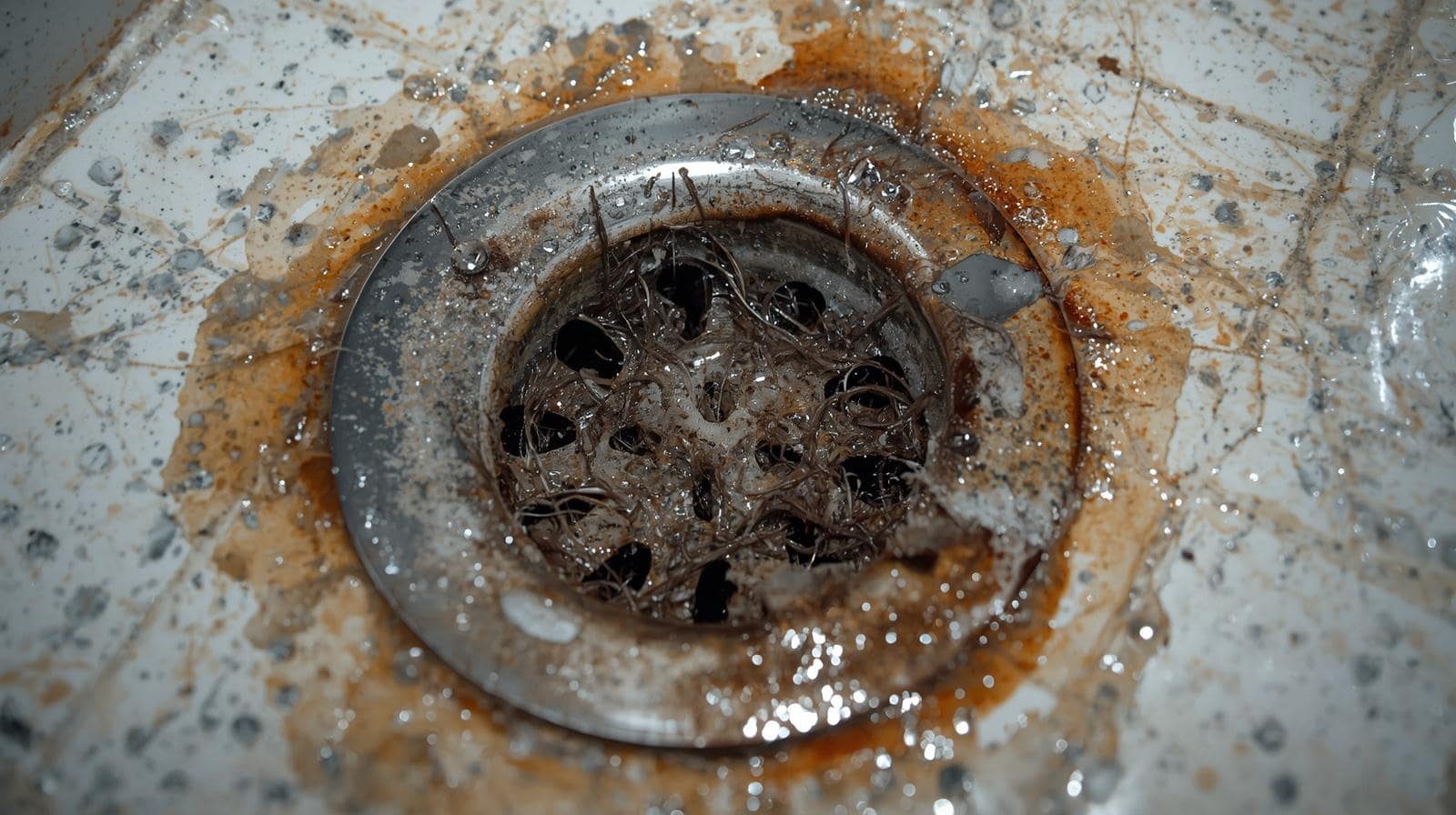
Yesterday, I saw a shower drain so slow that the water rose around my feet in less than a minute. The home owner looked at me and said, “I think my pipe is bad.”
I smiled. I have heard that many times.
After 15 years of home repair work, I can tell you this: most of the time, the pipe is fine. The real issue is a simple clog. And once you know how to clean shower drain pipes the right way, the fix can take less than ten minutes.
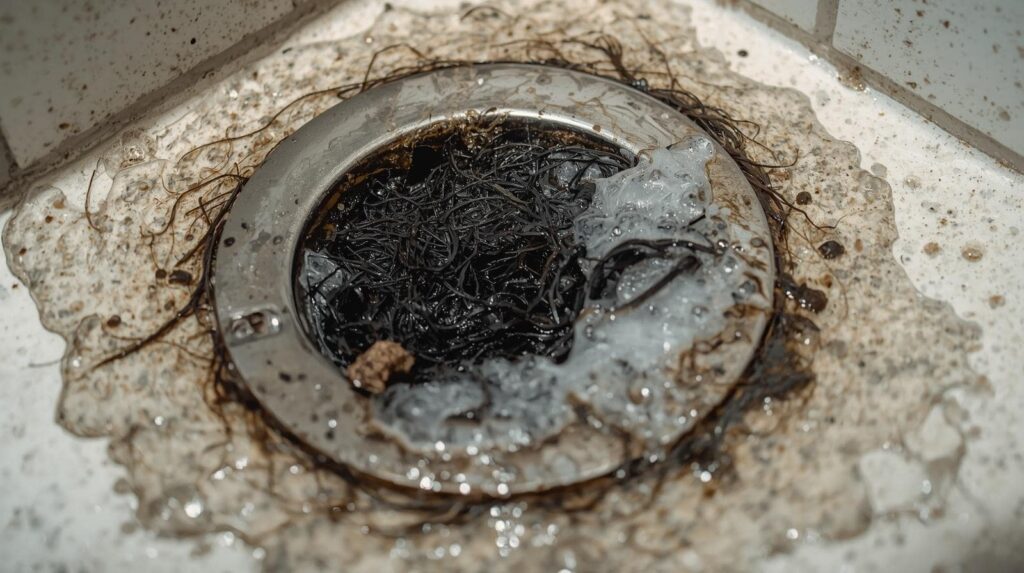
Hair, soap, and body oil build up inside the pipe. Day after day. Soon the water has no clear path to flow. That is when you see a slow drain.
Sound familiar?
In this guide I will show you how to clean shower drain clogs step by step, what causes them, and how to stop them from coming back. I will also explain a bit about how the drain pipe works so you can fix problems faster next time.
Why Shower Drains Get Clogged
Have you ever noticed hair on the shower wall after a shower?
Some of that hair goes down the drain.
One strand may seem small. But when many strands go down the pipe, they twist together. Then soap sticks to that hair. Body oil sticks too.
Soon you have a thick lump in the pipe.
Here are the most common things I see when I clean a shower drain:
• Hair
• Soap scum
• Skin oil
• Hard water build up
• Small items like caps or rings
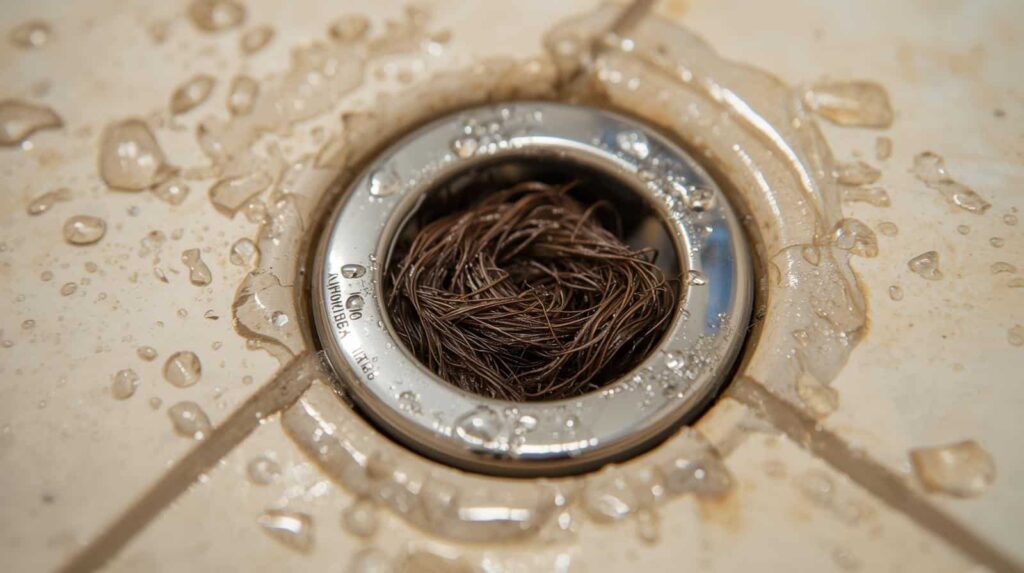
Hair is the main cause. It acts like a net. It traps soap and dirt. Then the clog grows bigger.
Pro Tip
Check your shower drain once each week. If you see hair near the top, pull it out before it moves deeper.

How a Shower Drain Works (Simple Pipe Guide)
Many home owners do not know what sits under the drain.
Let me explain.
Right below the drain is a curved pipe called a P-trap. It holds a bit of water at all times. That water stops bad gas from the sewer from coming up into the home.
But that curve also traps hair and soap.
Here is the simple path water takes:
- Water goes into the drain
- It flows through the P-trap
- Then it moves into the main drain pipe
- From there it flows to the sewer line
Most clogs form inside the P-trap because the pipe bends there.
Pro Tip
If you remove a hair clog early, you stop it from reaching the deep pipe where it is harder to clear.
Signs Your Shower Drain Needs Cleaning
A drain rarely stops all at once. It gives small hints first.
Have you seen any of these?
• Water drains slow
• Water pools around your feet
• A bad smell comes from the drain
• You hear gurgle sounds
• Water rises in the tub when the shower runs
These signs mean the drain pipe is partly blocked.
Pro Tip
If two drains in your home clog at the same time, the issue may be in the main drain pipe.
Tools That Help Clean a Shower Drain
- Good news. You do not need costly tools.
- Most of the time I use simple items.
Here are the tools that work best:
• Drain snake
• Plastic hair tool
• Rubber gloves
• Screw driver
• Small plunger
• Bucket
• Baking soda
• Vinegar
A small drain snake is one of the best tools. It can reach deep into the pipe and pull hair out.
Pro Tip
A plastic hair pull tool costs only a few dollars and works well for most clogs.
Step-by-Step Guide: How to Clean Shower Drain
- Now let me show you the steps I use in real homes.
- Follow these steps slowly.
Step 1: Remove the Drain Cover
- Look at the drain cover.
- Some have small screws. Use a screw driver to remove them.
- Lift the cover off and set it aside.
- Often you will see hair near the top.
Pro Tip
Put the screws in a small cup so they do not fall down the drain.
Step 2: Pull Out the Hair Clog
- Put on gloves.
- Use a drain snake or hair tool and slide it into the pipe.
- Move it a bit. Then pull it up.
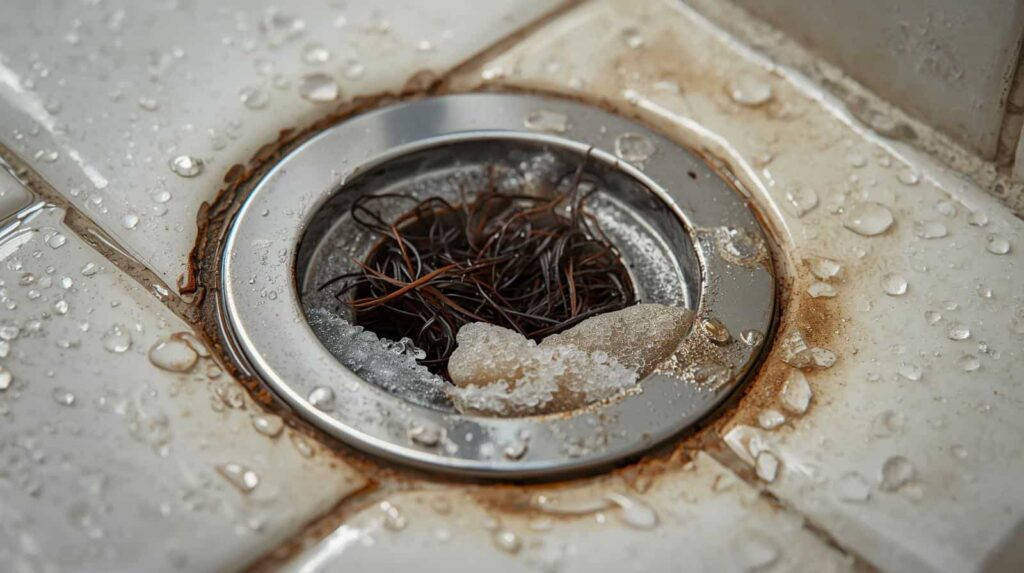
- Most of the time you will pull out a wet hair ball. That hair is the clog.
- It may smell bad. That is normal.
- Throw it away in a bag.
Pro Tip
Do not push the tool too hard. You want to hook the hair, not push it deeper.
Step 3: Flush With Hot Water
- Turn on hot water and let it run for half a minute.
- Hot water melts soap and body oil that stick to pipe walls.
- Sometimes this step alone clears the drain.
Pro Tip
Run hot water down the drain once each week to slow soap build up.
Step 4: Use Baking Soda and Vinegar
- If the drain still moves slow, try this home mix.
- Pour half a cup of baking soda into the drain.
- Then pour one cup of vinegar.
- You will see bubbles. That is the mix working.
- Wait about fifteen minutes.
- Then rinse with hot water.
Pro Tip
This mix helps break soap scum but is safe for most pipes.
Step 5: Use a Plunger
- If the clog is still there, use a small plunger.
- Fill the shower base with a bit of water.
- Place the plunger over the drain.
- Push up and down about ten times.
- This can move the clog loose.
Pro Tip
Cover the over flow hole with a cloth to get more pressure.
A Natural Method I Use Often
In many homes I try this easy method first.
- Boil water
- Pour it slowly into the drain
- Add baking soda
- Add vinegar
- Wait ten minutes
- Flush with warm water
This helps break soap build up.
Pro Tip
Do not pour very hot water into plastic pipe too often. Warm water is safer.

Safety First When Cleaning a Drain
- I have seen many home owners use strong drain cleaner from the store.
- The catch is those liquids can harm pipes.
- They also give off harsh fumes.
- Some can even burn skin.
Safety Tips
Avoid:
• Acid drain cleaner
• Mixing drain liquids
• Pouring bleach into the drain
Mechanical cleaning works better and keeps pipes safe.
Pro Tip
If you used a drain liquid, tell a plumber before they work on the pipe.
How to Prevent Future Shower Drain Clogs
- Once you clean the drain, the goal is to keep it clear.
- Here are the habits I teach home owners.
Use a Hair Catcher
- This small tool sits over the drain and traps hair.
- It stops most clogs.
Rinse With Hot Water
- Run hot water for thirty seconds each week.
- This clears soap build up.
Clean the Drain Monthly
Remove the cover and check for hair.
Watch What Goes Down the Drain
Avoid thick oil and heavy soap.
Pro Tip
Homes with long hair may need to clean the drain every two weeks.
When to Call a Professional
Some clogs sit deep in the pipe.
Call a plumber if you see these signs:
• Many drains clog at once
• Water backs up in the toilet
• Strong sewer smell
• A drain snake will not reach the clog
In these cases a plumber may use tools like:
• Power drain auger
• Hydro jet water tool
• Pipe camera
These tools clear deep clogs that home tools cannot reach.
Pro Tip
If clogs return often, the pipe slope may be wrong.
Good Drain Types
• Steel shower drains
• Easy clean drains
• Anti hair drains
Pro Tip
Choose a drain with a pull out basket. It makes cleaning much easier.
Common Mistakes Homeowners Make
I see the same errors again and again.
Using Too Much Drain Liquid
These liquids weaken pipe walls.
Ignoring Slow Drains
A slow drain is an early warning.
Pushing Hair Deeper
Sticks can push clogs down the pipe.
Not Using a Hair Catcher
This is the main cause of clogs.
Pro Tip
Install a hair catcher the same day you clear a clog.
Quick Summary
Here is the simple plan for how to clean shower drain pipes.
- Remove the drain cover
- Pull out hair clogs
- Flush with hot water
- Use baking soda and vinegar
- Use a plunger if needed
These steps fix most shower drain problems.
FAQ: Shower Drain Cleaning
Most homes should clean the drain once each month. Homes with long hair may need to do it more often.
A bad smell often comes from hair and soap stuck in the pipe. Bacteria grow on that build up.
Cleaning the drain usually removes the smell.
Yes. The mix helps break soap scum and light clogs. But thick hair clogs must be pulled out with a tool.
Yes. A plunger can move small clogs in the pipe. It works best after hair is removed.
A plastic drain snake or hair tool works very well. It hooks hair and pulls it out of the pipe.
Final Thoughts From My 15 Years of Home Repair
After many years fixing homes, I can tell you one thing.
Most shower clogs are simple.
Hair drops into the drain. Soap sticks to it. Soon the pipe slows down.
But when you know how to clean shower drain pipes the right way, the fix is fast.
Check the drain often.
Use a hair catcher.
Flush with hot water once a week.
Those small steps keep your shower flowing well for many years.
And if the drain ever slows again, you now know exactly what to do.