
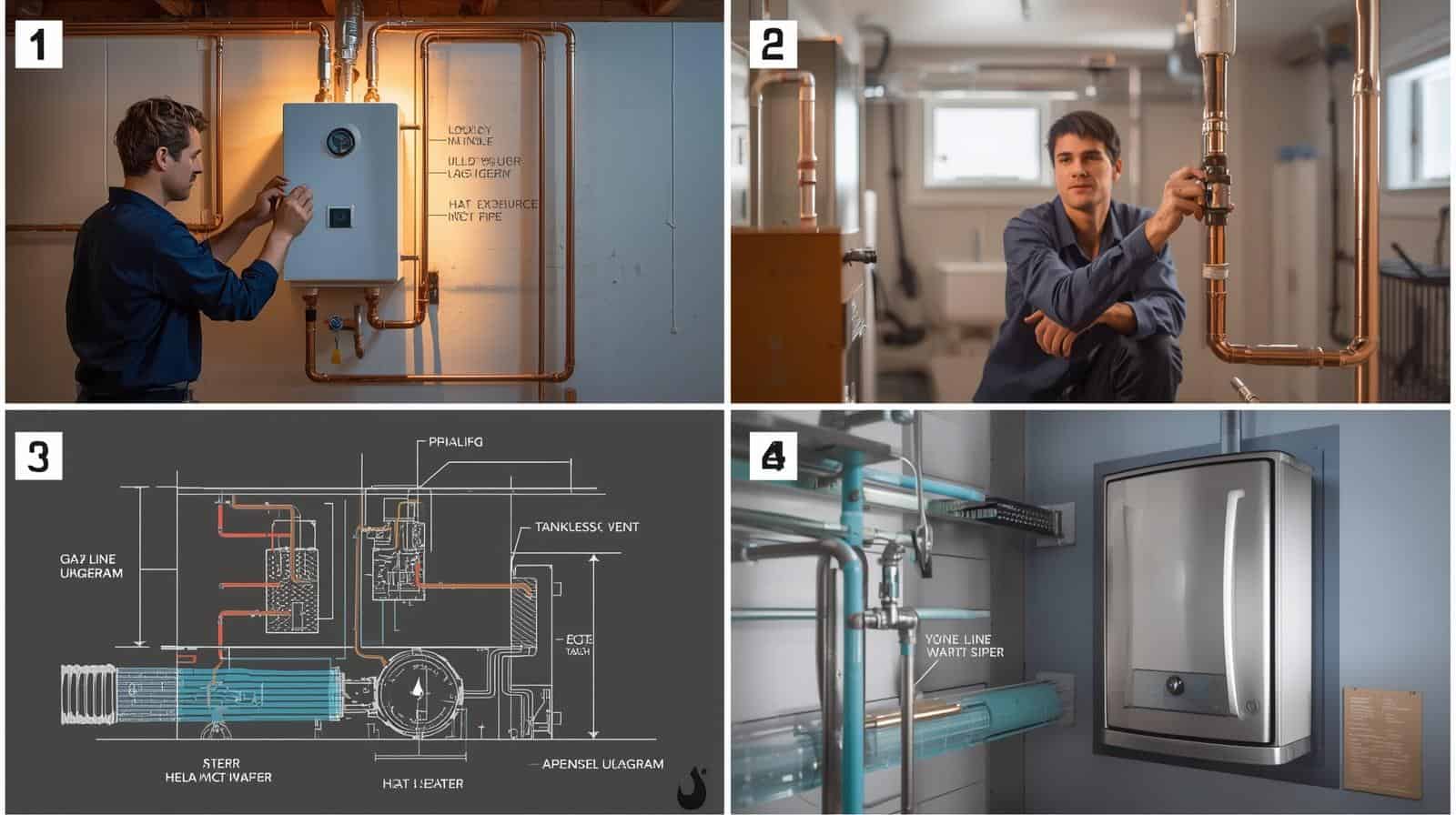
Yesterday, I saw a call that felt very common. A homeowner had no hot water. The old tank heater had died. He asked me one thing: “Can you install a tankless gas water heater instead?”
I smiled. I’ve done tankless gas water heater installation jobs for more than 15 years. When done right, these units save space, cut energy use, and give hot water almost right away. But the install must be done the right way. Gas lines, vent pipes, and flow size all matter.
Quick Answer
Tankless gas water heater installation involves mounting the unit on a wall, upgrading the gas line, installing vent pipes, connecting water lines, and testing the system. Most installations take 3–6 hours and require proper BTU sizing and safe gas connections.
Let me walk you through it in simple terms.
Tankless Gas Water Heater Installation (Simple Guide)
A tankless gas water heater installation means you replace a big tank unit with a small wall unit that heats water only when you open a tap.
- No tank.
- No long wait.
- Hot water on demand.
Cold water enters the unit. A gas burner heats a heat exchanger. Water flows out hot almost at once.

That’s the basic idea.
Pro-Tip:
Pick the unit size based on how many taps run at once. Too small and you’ll get weak hot water.

Why Many Homeowners Choose Tankless
I see the same reasons again and again.
Endless Hot Water
Tank heaters run out. Tankless units keep heating water while it flows.
Great for:
- big families
- long showers
- back-to-back laundry loads
Longer Life
Most tank heaters last about 10–12 years. Tankless units can last 20 years with care.
Saves Space
A tank heater is bulky. Tankless units mount on the wall.
Better Energy Use
Tank heaters keep water hot all day. Tankless only heats when you open the tap.
Pro-Tip:
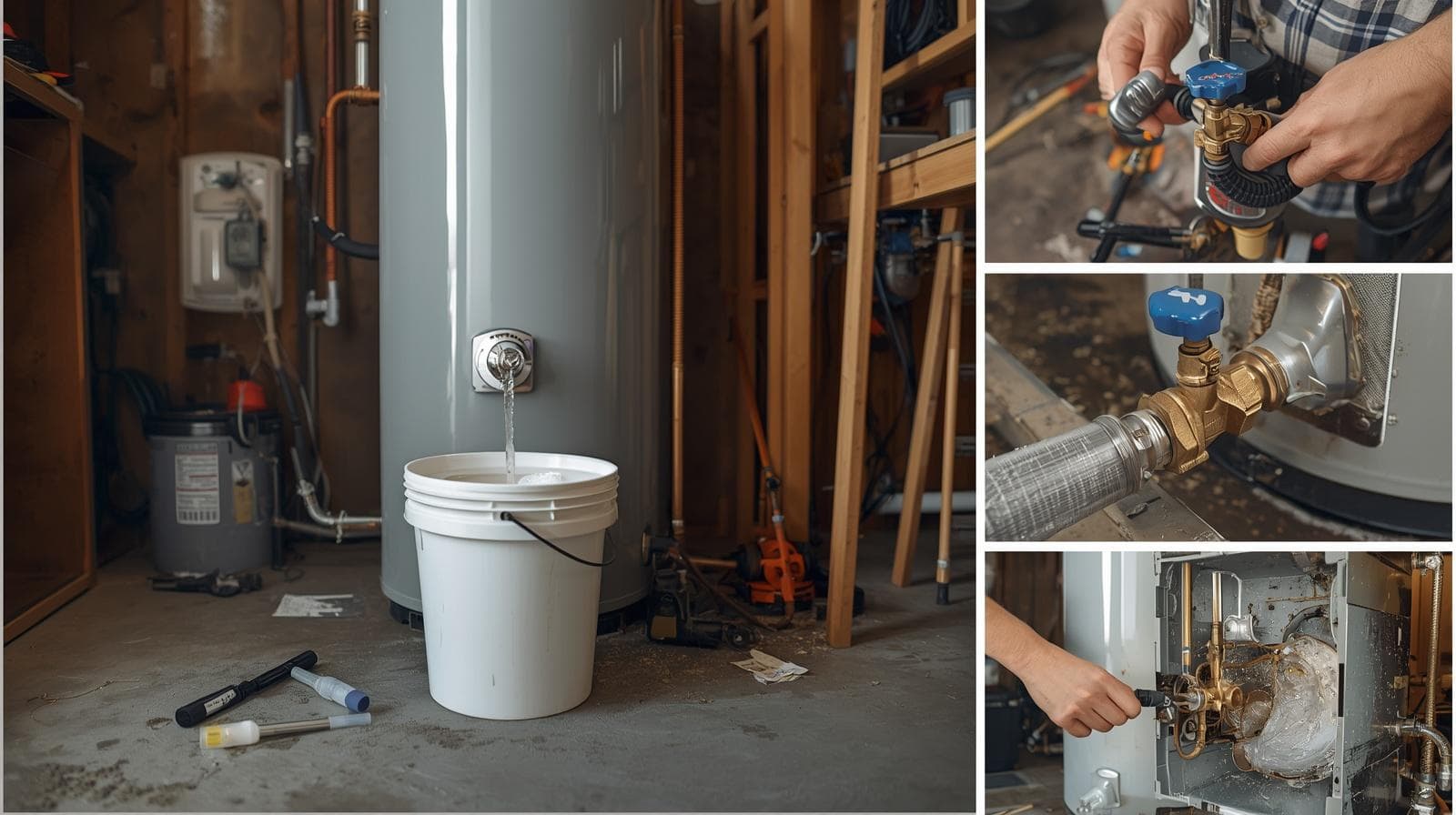
Flush the unit once a year to stop scale build-up. Hard water can slow the heat flow.
Gas vs Electric Tankless Heaters
Homeowners ask me this every week.
Here’s the quick truth.
| Feature | Gas Tankless | Electric Tankless |
|---|---|---|
| Hot water output | High | Lower |
| Install cost | Higher | Lower |
| Energy use | Very good | Good |
| Whole-house use | Yes | Often small homes |
For most US homes, gas tankless water heater installation works best because it handles many taps at once.
Electric models work well for small homes or point-of-use sinks.
Pro-Tip:
If your home already has a gas line, gas tankless usually wins.

Tankless Gas Water Heater Installation Steps
- Now let’s look at the basic install process.
- A pro should do this job, but it helps to know how it works.
Step 1: Turn Off Water and Gas
- First, shut off the main water valve and gas supply.
- Safety matters here.
Step 2: Remove the Old Heater
- Drain the tank and remove the old unit.
- This clears space for the new wall unit.

Step 3: Mount the Tankless Heater
The new heater mounts on a wall bracket.
Most units go in:
- a utility room
- garage
- basement
Step 4: Upgrade the Gas Line
- This is key.
- Tankless heaters use stronger burners. Many homes need a larger gas pipe.
- Gas line upgrades are common in tankless gas water heater installation jobs.
Step 5: Install Venting
Gas units must vent exhaust gases.
Options include:
- stainless vent pipe
- direct vent systems
This removes carbon gases safely.
Step 6: Connect Water Lines
- Cold water enters the unit. Hot water leaves the unit.
- Install valves so the unit can be flushed later.
Step 7: Power and Test
- Most gas tankless heaters need a small electric outlet.
- Once power and gas are on, test the system.
- Hot water should appear in seconds.
Pro-Tip:
Always install isolation valves. They make yearly cleaning much easier.
Important Installation Requirements
Some homes need upgrades before installing a tankless unit.
Gas Supply
- Many tank heaters use about 40,000 BTU.
- Tankless units can use 150,000–200,000 BTU.
- That means larger gas pipes.
Venting System
Proper vent pipes remove exhaust gas safely.

Water Flow Rate
A typical home needs 6–8 gallons per minute.
Choose the heater size based on:
- showers
- sinks
- washing machines
Pro-Tip:
If two showers run at the same time, choose a higher BTU model.
Safety First
Gas work must always be safe.
Follow these rules:
- Never install gas lines without training
- Use proper vent pipes
- Check for gas leaks after install
- Install a carbon monoxide alarm nearby
If you’re unsure, call a licensed plumber.
Quick Summary
Tankless gas heaters are a smart upgrade for many homes.
They offer:
- endless hot water
- longer life
- better energy use
- compact size
But a proper tankless gas water heater installation must include the right gas line size, safe venting, and correct BTU output.
Done right, the unit can serve your home for 20 years or more.
FAQ
It’s possible, but gas and vent work often require a licensed pro.
Most installs take 3–6 hours depending on gas line changes.
Yes. Flush the unit once a year to remove mineral scale.
Most homes need 150,000–199,000 BTU units for whole-house use.
Yes. They often use 10–30% less energy than tank heaters.