

Yesterday, I saw a homeowner in New Jersey who had no hot water before work. His old tank heater had rust at the bottom and leaked all over the floor. I helped him switch to a tankless water heater electric model, and the change was huge. He got hot water faster, saved space, and cut down power waste too.
Have you ever run out of hot water during a shower? Sound familiar? If yes, this guide will help you learn how an electric tankless water heater works, when to buy one, and how to keep it running well.
Quick Answer
What is a tankless water heater electric system?
A tankless electric water heater heats water only when you turn on the tap. It does not store hot water in a tank. This helps save space and can lower power use in small homes.
Main Benefits
- Endless hot water
- Small wall-mounted size
- Less heat loss
- Good for condos and small homes
- Long life with care
Best For
- Small to medium homes
- Warm weather areas
- Homes with low to mid hot water use
What Is a Tankless Water Heater Electric System?
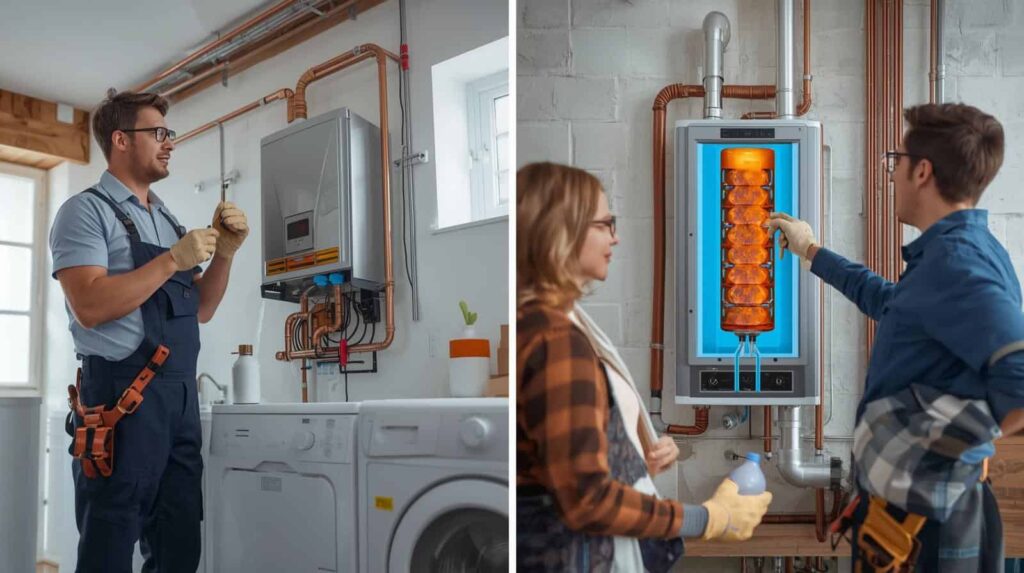
A tankless water heater electric system heats water only when you turn on a hot water tap. It does not store water in a tank. Cold water passes through electric heating parts inside the unit, giving you hot water in seconds. These systems save space, reduce heat loss, and can last up to 20 years with proper care.
What Is an Electric Tankless Water Heater?
An electric tankless water heater unit heats water as it flows through the machine. Inside the unit are strong heating parts called heating elements. Cold water moves in. Hot water comes out in seconds.
There is no big tank sitting in the basement.
I remember when I fixed my first electric tankless unit years ago. I was shocked by how small it was. The homeowner had more room in the laundry area right away.
Pro Tip:
Keep the area around the heater dry and clean. Dust and leaks can hurt the unit over time.
How Does It Work?
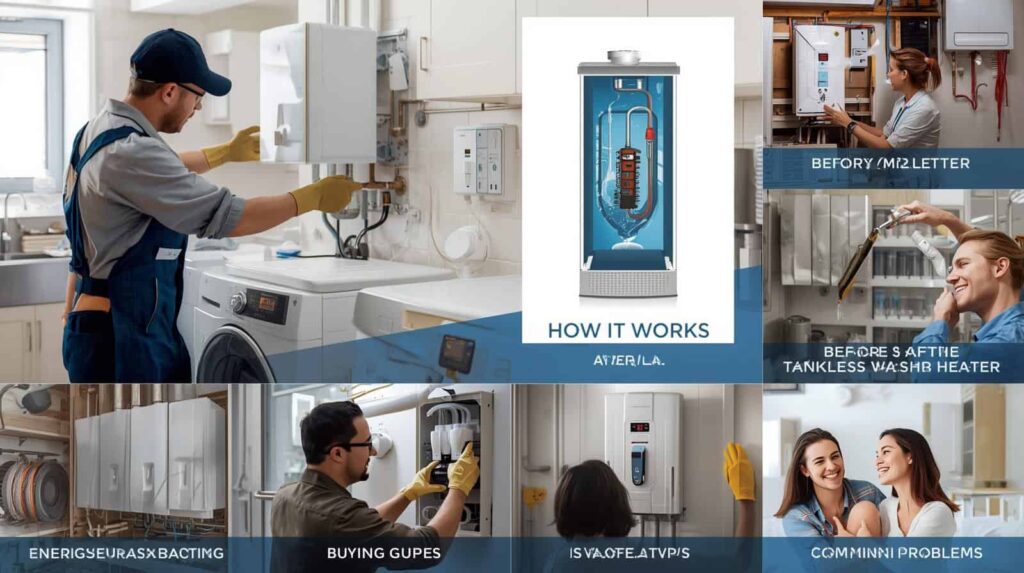
Here is the simple process:
- You turn on the hot water tap.
- Cold water enters the heater.
- Electric heating parts warm the water fast.
- Hot water goes to your sink or shower.
That’s it.
The catch is this: electric models need enough power from your home panel. Some homes may need a power upgrade before install.
Technical Explanation
Most electric tankless heaters use:
- 120V or 240V power
- High amp breakers
- Copper heating parts
- Flow sensors to start heating
A whole-house model may use 18kW to 36kW of power.
Pro Tip:
If lights flicker when large tools run, have an electrician check your panel before buying one.
Main Benefits of a Tankless Water Heater Electric Unit
1. Endless Hot Water
You can take longer showers without cold water surprises.
This is one reason many US homeowners switch from old tank systems.
Pro Tip:
Choose the right flow rate for your family size. Bigger homes need stronger units.
2. Saves Space
These units hang on the wall. No giant tank needed.
I installed one under a stair wall once, and the homeowner loved the extra room.
Pro Tip:
Wall-mount the unit near the bathroom for faster hot water.
3. Lower Energy Waste
Tank heaters keep water hot all day. Tankless units heat water only when needed.
That means less wasted power.
Pro Tip:
Turn off unused hot water taps quickly to save more power.
Safety First
Electric water heaters are safer than gas models in some ways because there is no flame or gas vent.
Still, safety matters.
Follow These Tips:
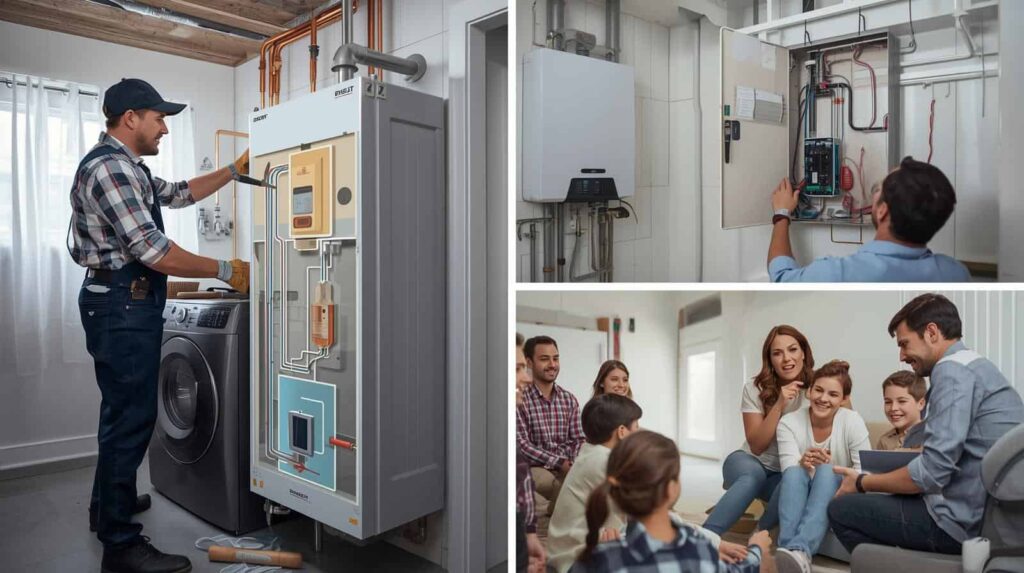
- Never touch wet wires
- Use the right breaker size
- Keep the unit dry
- Hire a licensed electrician for install
- Check for burnt wire smells
I once found melted wiring in a DIY install. The homeowner used the wrong breaker size. That can turn dangerous fast.
Pro Tip:
Install a surge protector to help guard the heater from power spikes.
Common Problems and Fixes
No Hot Water
This may mean:
- Tripped breaker
- Bad heating element
- Dirty filter
Quick Fix:
Reset the breaker first.
Water Gets Cold Fast
This often happens when:
- The heater is too small
- Too many taps run at once
Quick Fix:
Use fewer hot water fixtures at the same time.
Low Water Flow
Mineral buildup can block the system.
Quick Fix:
Flush the heater with vinegar once a year.
Pro Tip:
Hard water homes should use a water softener.
FAQ
Yes, for many small and medium homes. It saves space and gives endless hot water.
Most last 15 to 20 years with good care.
Small point-of-use units may be simple, but whole-house systems should be installed by a licensed pro.
It uses strong power while running, but it does not heat water all day like tank systems.
That depends on how many showers and sinks run at once. Larger families need higher flow rates.
Quick Summary
A tankless water heater electric system is a smart choice for many homeowners. It saves space, gives hot water on demand, and can lower wasted energy. The key is choosing the right size and making sure your home has enough electrical power.
If your old heater leaks, struggles to keep up, or raises your power bill, it may be time for an upgrade. With the right care, a tankless unit can serve your home for many years.