

If you want to know how can a tankless water heater pump more GPM, the key is to reduce the temperature rise and improve system flow. You can do this by lowering the heater temperature setting, cleaning the inlet filter, descaling the unit, or adding a second heater in parallel. These steps help the heater heat water faster and allow more gallons per minute (GPM) to flow through the system.
My Real Experience Fixing a Low GPM Problem
Yesterday, I saw a call that felt very common. A homeowner told me their shower went cold every time the washing machine started. Sound familiar?
I checked the unit. It was a good tankless heater, rated for about 7 GPM. But the real flow was only 4 GPM.
The problem wasn’t the heater. It was temperature rise and mineral scale.
After lowering the temp setting and flushing the system, the flow jumped almost 1 GPM higher. The customer could run two showers again.
So if you’re asking how can a tankless water heater pump more GPM, the answer usually comes down to heat load and water flow limits.
Let me show you exactly what works.
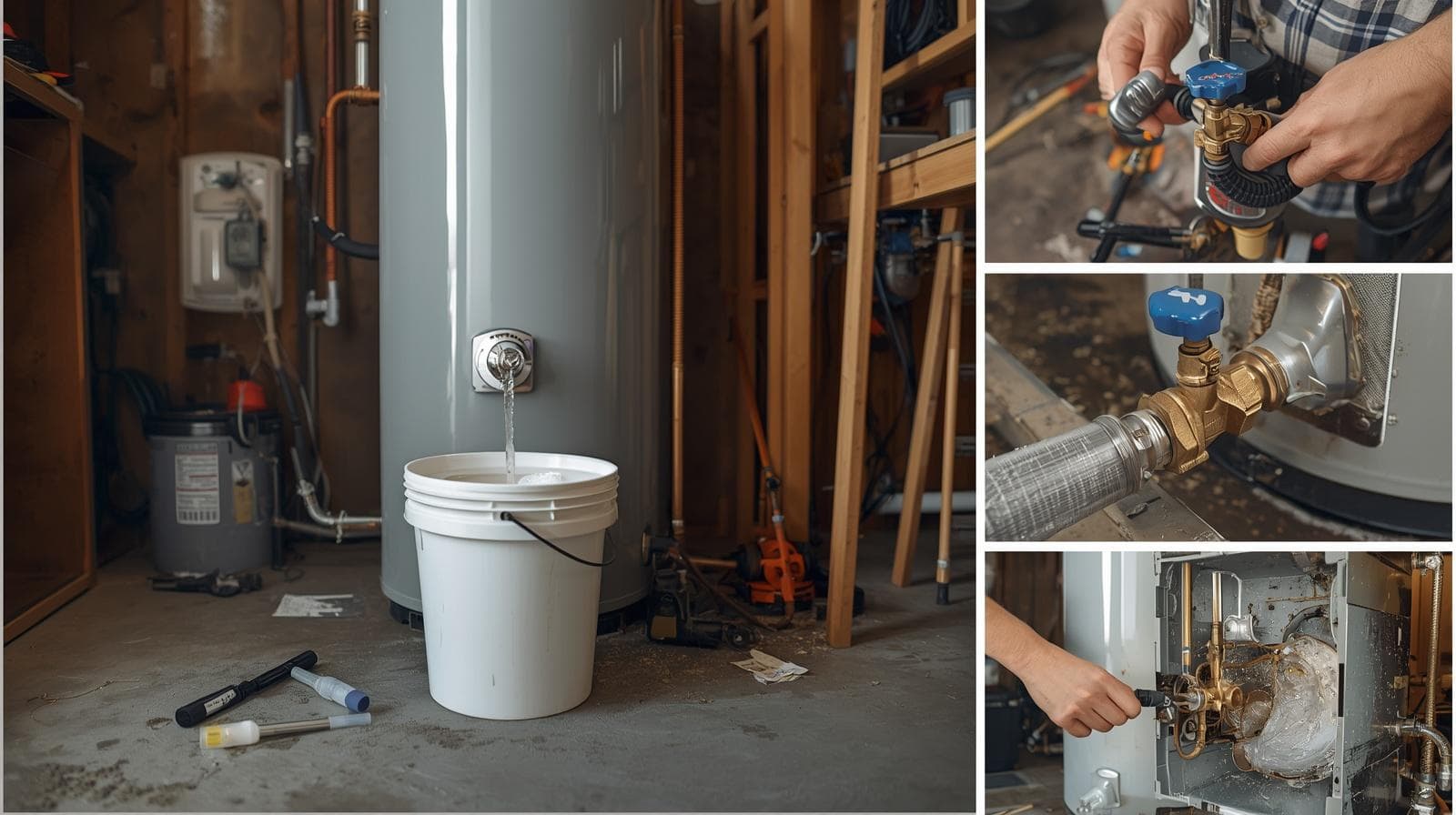

The Science Behind Tankless Heater GPM
A tankless heater doesn’t store hot water. It heats water instantly as it flows through the heat exchanger.
That means the heater can only heat a certain amount of water per minute.
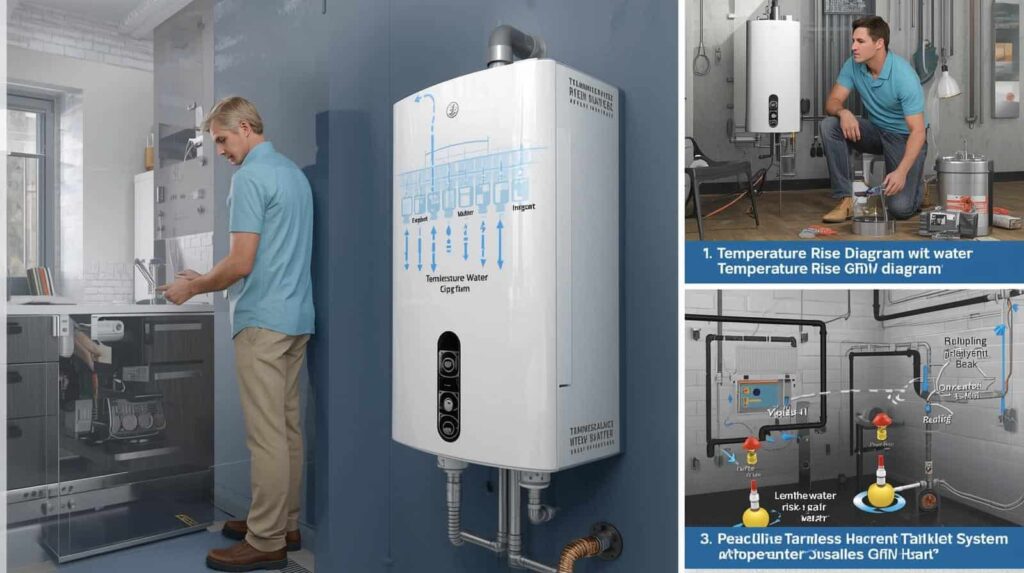
The formula plumbers use looks like this:
Max GPM = Heater BTU ÷ (Temperature Rise × 500)
Temperature rise means how much the heater must warm the incoming water.
For example:
| Ground Water Temp | Output Temp | Temp Rise | Flow Rate |
|---|---|---|---|
| 70°F | 120°F | 50°F | 7.5 GPM |
| 55°F | 120°F | 65°F | 5.8 GPM |
| 40°F | 120°F | 80°F | 4.7 GPM |
| 40°F | 110°F | 70°F | 5.4 GPM |
Notice something?
Lower temperature rise = higher GPM.
Pro Tip: In cold states, winter water temp drops a lot. That alone can cut your flow rate by almost 40%.

Step-by-Step Guide to Increase Tankless Heater GPM
Step 1: Lower the Temperature Setting
- Most people set their heater at 120°F or 125°F.
- But here’s the thing. At the faucet, you often mix cold water anyway.
- Try lowering the heater to 110°F or 112°F.
- This reduces the heater’s work load and allows more water to flow through.
- Many homes gain 0.5 to 1 GPM just from this small change.
Pro Tip: Turn the hot tap fully open instead of mixing hot and cold. It keeps the heater running more steady.
Step 2: Clean the Inlet Filter
Tankless heaters have a small screen filter at the cold water inlet.
Over time, sand and debris clog it.
When that happens, water can’t flow fast enough.
Here’s what I usually do:
- Turn off water supply
- Remove the inlet screen
- Rinse it under running water
- Reinstall the filter
It takes about 10 minutes.
Pro Tip: I check this filter every 6 months during service calls.

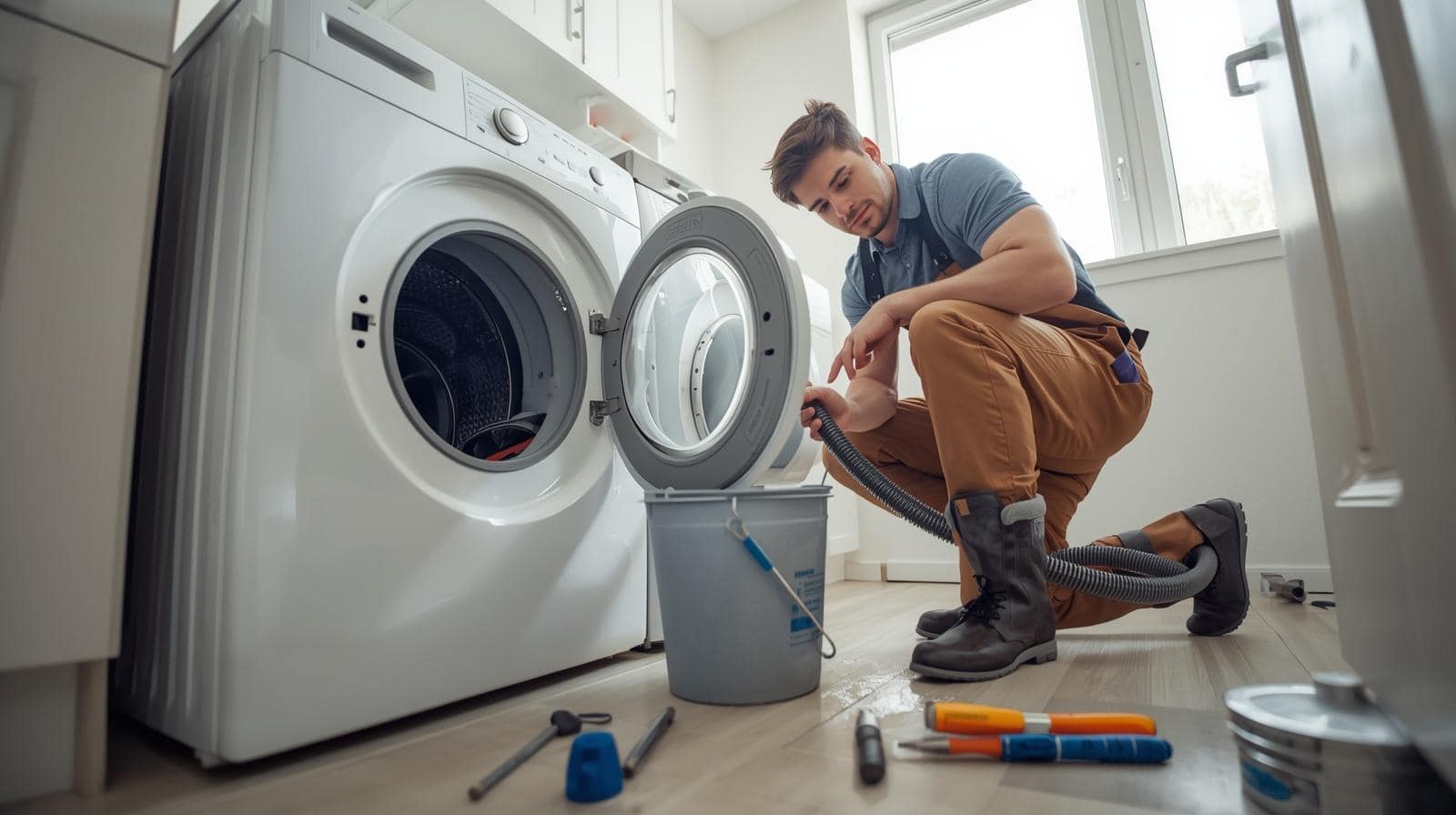
Step 3: Descale the Heat Exchanger
Hard water creates scale buildup inside the heater.
Scale works like insulation. It slows heat transfer and blocks flow channels.
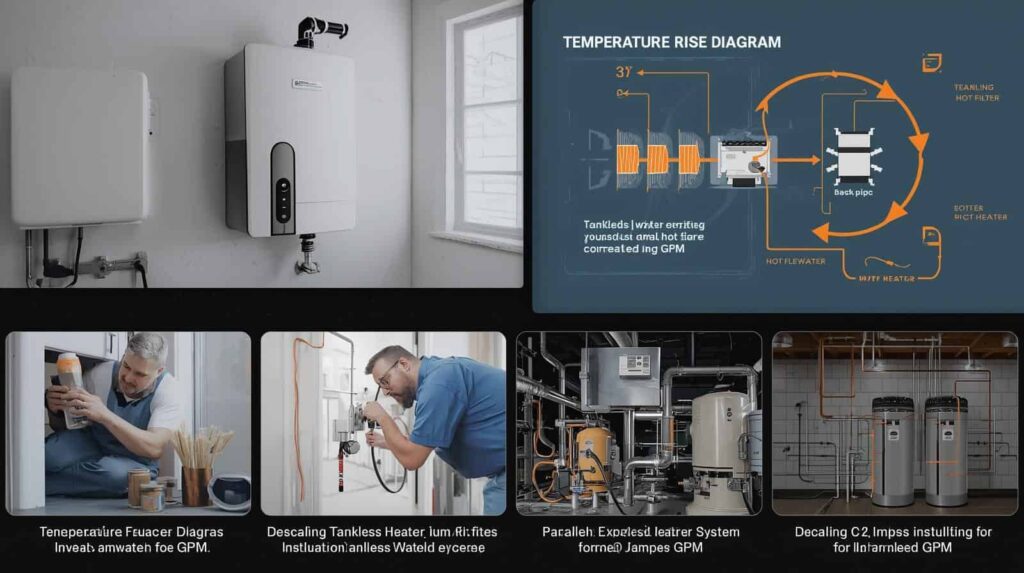
This reduces GPM.
To fix it:
- Turn off power and gas
- Close service valves
- Connect a flush kit
- Pump vinegar through the heater for 45 minutes
After flushing, many systems return to near factory flow rates.
Pro Tip: Homes with hard water should flush the unit once per year.
Step 4: Install a Second Tankless Heater
- Sometimes the real issue is simple.
- The heater is just too small for the house.
- Large homes often need two tankless units running together.
- This is called a parallel installation.
- Both heaters share the work and double the total GPM.
Example:
| Heater Size | Total GPM |
|---|---|
| One unit | 7 GPM |
| Two units | 14 GPM |
That means you can run multiple showers and appliances at the same time.
Pro Tip: Parallel systems also reduce wear because each heater works less.
Safety First
Before opening your heater or flushing the system:
- Turn off gas or power
- Shut off the water supply
- Let the heater cool down
Tankless heaters contain very hot water and gas lines, so safety always comes first.
If you are unsure, call a licensed plumber.
Quick Summary
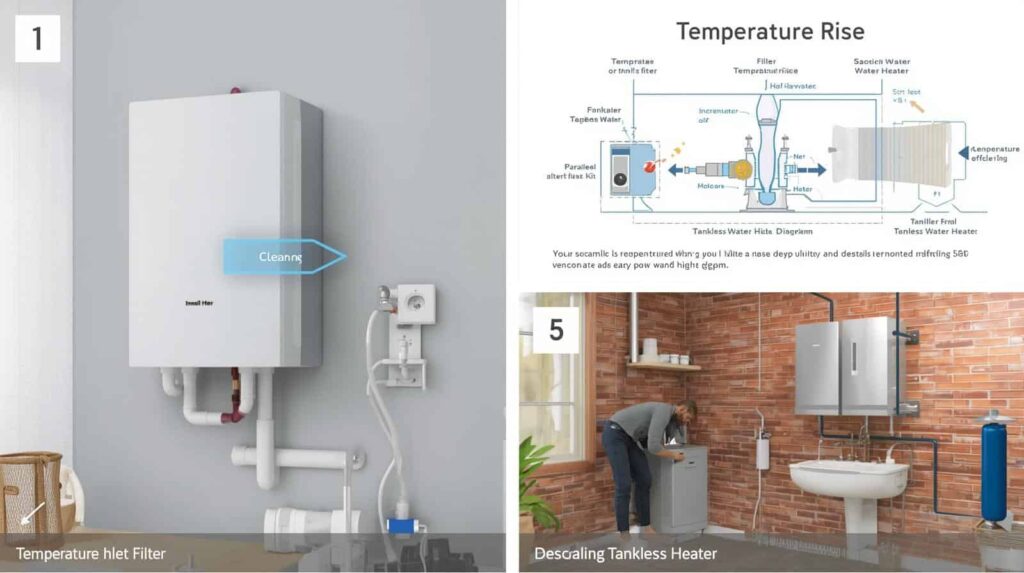
If you’re wondering how can a tankless water heater pump more GPM, the best fixes are simple:
- Lower the temperature setting
- Clean the inlet filter
- Descale the heat exchanger
- Install a second heater for large homes
Most low-flow problems come from temperature rise or mineral buildup, not the heater itself.
A little maintenance can restore your system and bring your showers back to life.
FAQ
No. A pump increases water pressure, not heating power. If water flows too fast, the heater can’t heat it and may limit the flow.
Cold groundwater increases the temperature rise, which reduces the heater’s GPM capacity.
Most homes should flush the unit once per year. Hard water areas may need it every 6 months.
Typical homes need 6–8 GPM to run two showers and appliances at the same time.